
Losing a tooth is often seen as a cosmetic concern at first. Many people focus on the gap in their smile or the inconvenience of having to chew differently. However, what happens beneath the surface is just as important, if not more so. Teeth play a crucial role in maintaining the strength and stability of the jawbone, and when a tooth is lost, the bone that once supported it can begin to change.
The jawbone relies on regular stimulation from the roots of natural teeth. Each time you bite or chew, pressure travels through the tooth root and into the surrounding bone. This natural stimulation signals the body to maintain the bone’s density and structure. When a tooth is missing, that stimulation disappears, and the body gradually begins to reabsorb the bone in that area.
Over time, this process can lead to the shrinking of the jawbone, shifting of nearby teeth, and even changes in facial appearance. Because of these long-term concerns, many dentists now recommend dental implants in Oxford as one of the most reliable ways to replace missing teeth while also protecting the jawbone.
Understanding why jawbone health matters after tooth loss can help patients make more informed decisions about their oral health and prevent complications that may develop later.
Why Tooth Loss Can Affect More Than Your Smile
When people think about missing teeth, the first thing they usually notice is the visible gap. While this can certainly affect confidence and appearance, the underlying effects on oral health can be even more significant.
One of the most important roles of natural teeth is maintaining the strength of the jawbone. The roots act like anchors that keep the bone active and healthy. When a tooth is removed or lost, the bone in that area no longer receives stimulation and may begin to shrink over time.
Bone loss doesn’t happen overnight. It often develops gradually over months or years. During this time, patients may start to notice subtle changes. Nearby teeth might slowly shift toward the space, altering the alignment of the bite. Chewing may become less balanced, especially if multiple teeth are missing on one side.
Another change that can occur is a gradual alteration in facial structure. The jawbone supports the lower portion of the face, including the cheeks and lips. When bone loss progresses, the face may appear slightly sunken or aged because the natural support has weakened.
For these reasons, replacing missing teeth is not only about restoring appearance, but it’s also about maintaining long-term oral health.
How Dental Implants Help Protect the Jawbone
Among modern tooth replacement options, tooth implants are unique because they replace both the visible part of the tooth and the root beneath the gums. This is a key reason they are often recommended to patients seeking a long-term solution.
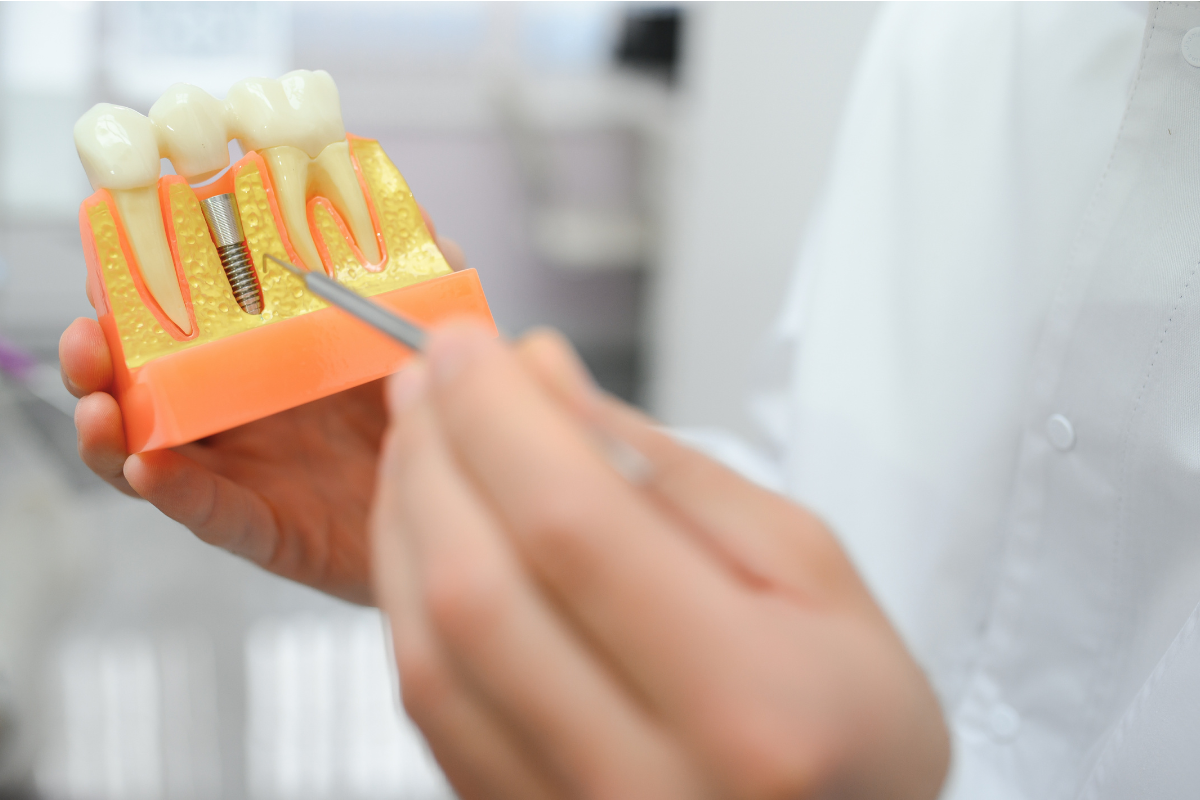
The process begins with placing a small titanium post into the jawbone. Titanium is widely used in medical procedures because it integrates well with bone tissue. After placement, the bone gradually bonds with the implant through a natural healing process known as osseointegration.
Once the implant has successfully fused with the jawbone, it functions much like a natural tooth root. A connector piece called an abutment is attached to the implant, and a custom dental crown is placed on top to complete the restoration.
Because the implant sits within the bone, it continues to stimulate the jaw during chewing. This stimulation helps maintain bone density and prevents the shrinkage that often occurs after tooth loss.
This ability to preserve bone structure is what makes dental implants different from many other tooth replacement options.
Benefits Patients Often Notice After Implant
While protecting the jawbone is one of the most important advantages of dental implants, patients also experience several practical benefits in daily life.
One of the most noticeable improvements is restored chewing ability. Missing teeth can make it difficult to eat certain foods, particularly crunchy or firm items. Tooth implants provide strong support, allowing patients to comfortably enjoy a wider variety of foods.
Another advantage is stability. Because implants are anchored directly into the jawbone, they do not shift or move like removable dentures sometimes can. This stability helps patients feel more confident when speaking, laughing, or eating in social situations.
Many people also appreciate the natural appearance of dental implants. Each crown is custom-designed to match the surrounding teeth in color, shape, and size. As a result, the restored tooth blends seamlessly with the rest of the smile.
Additionally, implants help protect neighboring teeth. Traditional bridges may rely on adjacent teeth for support, which can place additional stress on them. Implants stand independently, allowing surrounding teeth to remain untouched.
Long-Term Oral Health Advantages
One of the biggest reasons dentists recommend implants is their ability to support long-term oral health.
When a tooth gap remains untreated, several issues can gradually develop. Teeth next to the gap may begin to tilt inward, affecting alignment and bite balance. Food particles may also become trapped more easily in these areas, increasing the risk of cavities and gum disease.
Bone loss is another major concern. As the jawbone shrinks, certain restorative procedures can become more complex. In some cases, patients may need additional treatments such as bone grafting before implants can be placed.
Replacing missing teeth earlier can help prevent many of these complications. By preserving bone and maintaining proper alignment, implants contribute to a healthier oral environment overall.
Are Dental Implants Right for Everyone?
Most adults with one or more missing teeth are candidates for dental implants. A healthy mouth and sufficient jawbone are typically the primary requirements for the procedure.
However, even patients who have experienced some bone loss may still qualify. Modern dentistry offers techniques such as bone grafting that can rebuild the jawbone and create a stable foundation for implants.
A dental consultation usually involves digital imaging and a detailed examination of oral health. This allows the dentist to assess bone density, evaluate gum health, and develop a treatment plan tailored to the patient’s needs.
Every patient’s situation is different, which is why a personalized approach is important.
Maintaining Jawbone and Implant Health
Once implants are placed, proper care helps ensure they remain healthy and functional for many years.
Daily brushing and flossing are essential for keeping the surrounding gums clean and preventing plaque buildup. Regular dental checkups also allow the dentist to monitor the implant and detect any potential issues early.
Healthy lifestyle habits can also support bone health. Eating foods rich in calcium and vitamin D helps maintain strong bones, including the jawbone that supports dental implants in Oxford.
Patients who smoke may be encouraged to reduce or quit tobacco use, as smoking can interfere with healing and increase the risk of implant complications.
With consistent care and professional monitoring, implants can remain a reliable part of a patient’s smile for decades.
A Long-Term Solution for Missing Teeth
For many patients, dental implants represent more than just a cosmetic improvement. They provide a solution that restores comfort, function, and confidence while protecting the jawbone’s health.
Residents looking for dental implants in Oxford often seek treatment that not only replaces missing teeth but also helps prevent future dental complications. By restoring the natural relationship between teeth and bone, implants help maintain the stability and structure of the entire mouth.
Clinics like Oxford Dental work closely with patients to develop personalized treatment plans that support both immediate needs and long-term oral health.
Restoring Your Smile and Protecting Jawbone Health
Tooth loss can have a lasting impact if it is not addressed properly. Beyond the visible gap, missing teeth can lead to bone loss, shifting teeth, and gradual changes in facial structure.
Modern restorative solutions now allow patients to restore their smiles while protecting the foundation that supports them. Dental implants provide a durable and natural-feeling option that replaces both the tooth and its root, helping maintain the health of the jawbone over time.
For patients in Oxford who want to restore their smile and preserve long-term oral health, understanding the connection between tooth loss and jawbone health is the first step toward choosing the right treatment. If you’re ready to restore your smile and protect your jawbone health, schedule a consultation with Oxford Dental today.
Recent Posts
See All