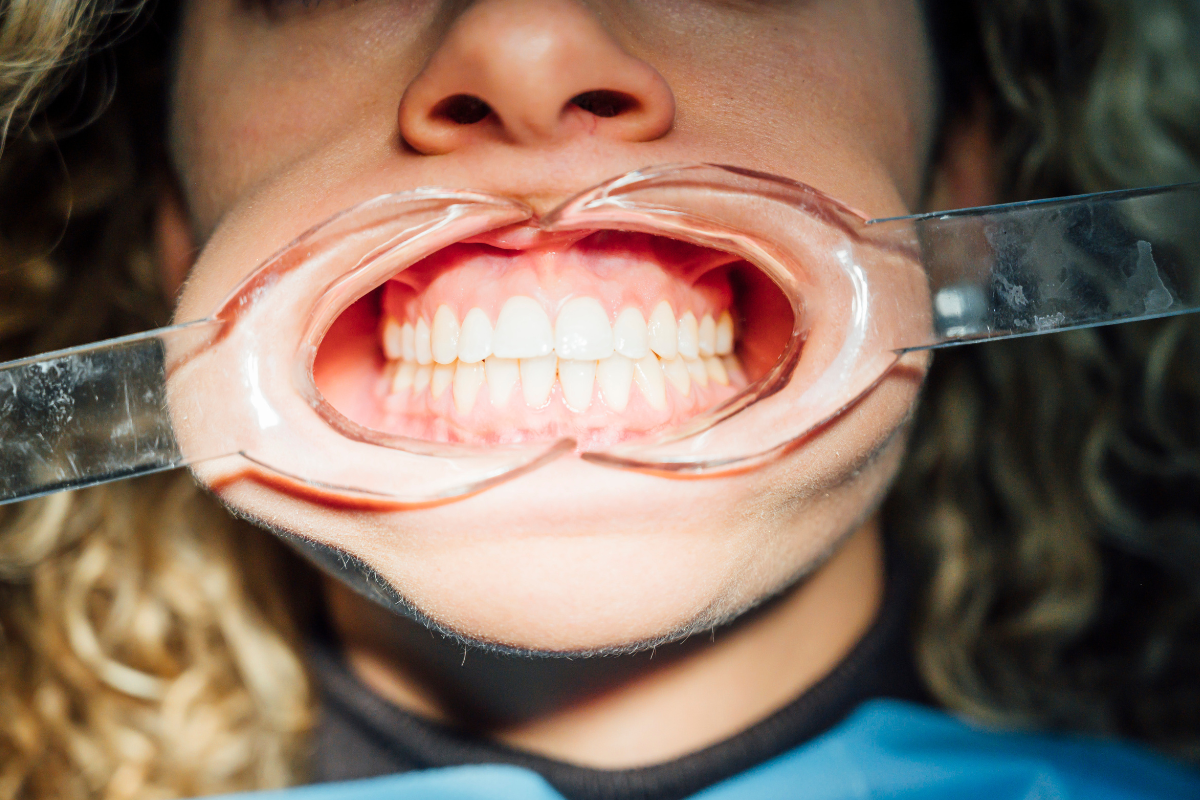

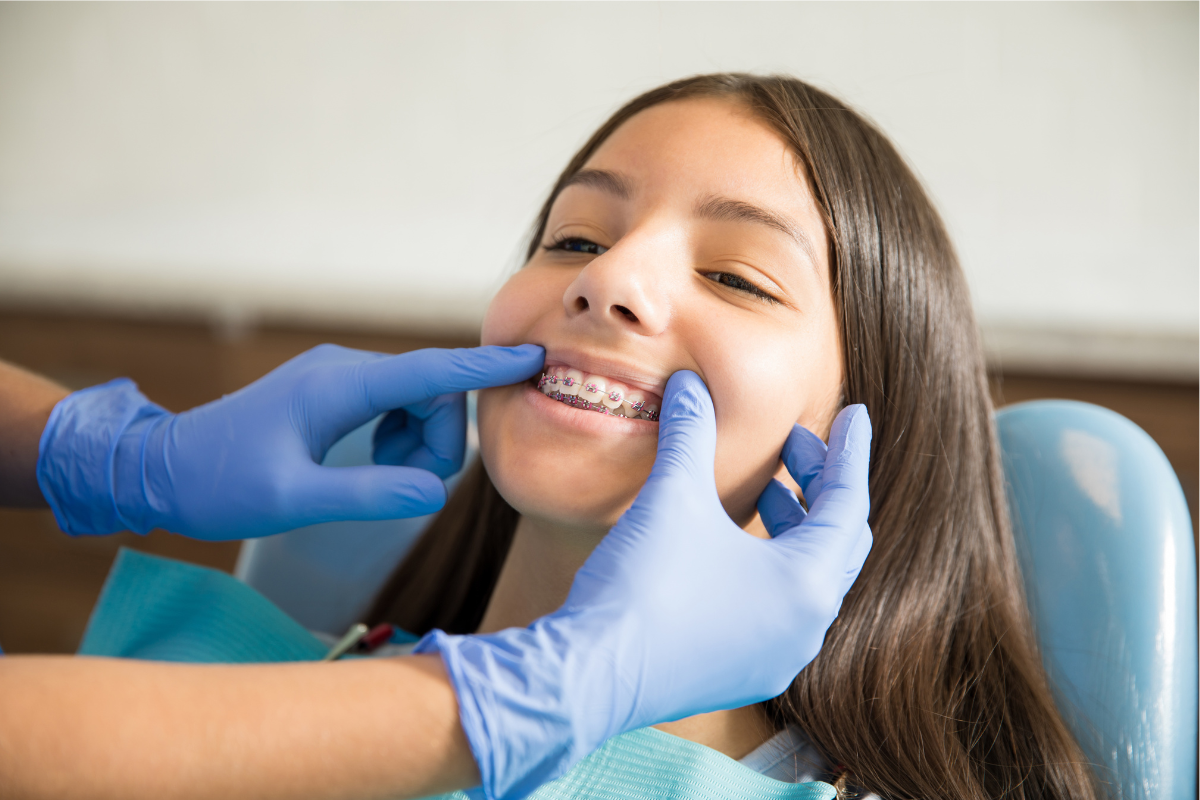
A chipped or cracked tooth can happen when you least expect it. Sometimes it occurs during everyday activities like biting into hard candy, chewing ice, or eating popcorn kernels. Other times, it may result from sports injuries, minor accidents, or sudden impacts. Regardless of how it happens, the moment you feel a sharp edge in your tooth or sudden discomfort while chewing, it can be alarming.
For many people in Oxford, Mississippi, the first reaction is uncertainty. Some patients wonder whether the damage is serious enough to require immediate care, while others hope the discomfort will go away on its own. Unfortunately, dental injuries rarely improve without treatment. Even a small chip can expose deeper layers of the tooth, making it more vulnerable to bacteria, sensitivity, or infection.
Taking the right steps early can make a major difference in protecting the tooth and preventing further complications. In many situations, quick attention from a dental professional can preserve the natural structure of the tooth and restore comfort quickly. This is why many patients choose to contact an emergency dentist in Oxford or from a nearby location when they experience sudden dental damage or severe tooth pain.
Understanding how to respond after a chipped or cracked tooth can help you stay calm, reduce discomfort, and protect your oral health until professional care is available.
Why Chipped or Cracked Teeth Should Never Be Ignored
At first glance, a chipped tooth might seem like a minor issue, especially if it isn’t causing immediate pain. However, teeth are made of several layers, and damage to the outer enamel can sometimes expose the softer inner dentin. In more severe cases, a crack may extend toward the pulp, where the tooth’s nerves and blood vessels are located.
When this happens, the tooth becomes more vulnerable to bacteria and infection. Even a small fracture can gradually worsen if it isn’t treated, especially when pressure is applied during normal chewing.
Patients often experience symptoms such as:
- Sensitivity to hot or cold foods
- Sharp pain when biting down
- Rough or jagged edges on the tooth
- Swelling or irritation around the gums
- Visible cracks or missing pieces of enamel
In some cases, the damage may not be visible but can still cause discomfort when chewing. These “hidden cracks” are surprisingly common and may only be detected through a professional dental exam.
Addressing the issue early helps prevent more serious problems like deep infections, abscesses, or tooth loss.
Common Causes of Tooth Chips and Cracks
Dental injuries can occur in many different situations, often during routine activities. Understanding the common causes may help patients recognize potential risks and take preventive measures.
One frequent cause is biting down on hard foods. Ice cubes, hard candies, popcorn kernels, and even certain nuts can place significant pressure on teeth. If a tooth already has a weak spot or a previous filling, it may crack under stress.
Another common cause is sports-related injuries. Contact sports such as basketball, football, or baseball can sometimes result in accidental impacts to the mouth. Without protective mouthguards, teeth can easily chip or fracture.
Accidental falls or collisions can also damage teeth. Children and teenagers are particularly prone to dental injuries during outdoor play or recreational activities.
In some cases, teeth weakened by cavities or previous dental work may become more fragile. Large fillings or untreated decay can reduce the strength of the remaining tooth structure, making it easier for cracks to form.
Even habits like grinding or clenching teeth, especially during sleep, can gradually weaken enamel and increase the likelihood of fractures.
Immediate Steps to Take After a Tooth Is Damaged
When a tooth chips or cracks, the priority is to protect the tooth and prevent further damage. Acting quickly can help reduce discomfort and improve the chances of saving the tooth.
The first step is to rinse your mouth gently with warm water. This helps clean the area and remove any small debris that may have collected around the damaged tooth.
If a piece of the tooth has broken off, try to save the fragment if possible. Place it in a small container with milk or saline solution and bring it to your dental appointment. In some cases, the dentist may be able to reattach it.
To reduce swelling or discomfort, applying a cold compress to the outside of the cheek can be helpful. Over-the-counter pain relievers may also provide temporary relief.
It’s also important to avoid chewing on the affected side of your mouth until the tooth can be examined. Hard or crunchy foods may worsen the crack or cause additional damage.
Finally, scheduling an appointment with a dentist as soon as possible ensures the problem is evaluated before it progresses.
How Dentists Repair Chipped or Cracked Teeth
The treatment for a chipped or cracked tooth depends largely on the severity and location of the damage. Dentists typically begin with a thorough examination, which may include digital X-rays to determine whether the inner layers of the tooth have been affected.
For minor chips, dental bonding is often the simplest solution. A tooth-colored composite material is carefully shaped and polished to restore the tooth’s natural appearance. This procedure is quick, minimally invasive, and can often be completed in a single visit.
When the damage is more extensive, a dental crown may be recommended. Crowns act like protective caps that cover the entire tooth, strengthening it while restoring its shape and function.
If the crack reaches the tooth’s pulp, root canal therapy may be necessary. This procedure removes infected tissue from inside the tooth and seals it to prevent further infection. A crown is usually placed afterward to protect the treated tooth.
In rare situations where the tooth cannot be saved, extraction may be required. Fortunately, modern restorative options such as implants or bridges can replace the missing tooth and restore the appearance of the smile.
When a Chipped Tooth Becomes a Dental Emergency
Not every chipped tooth requires immediate emergency care, but certain symptoms indicate that urgent treatment is needed.
Patients should seek prompt dental attention if they experience:
- Severe or persistent tooth pain
- Swelling around the gums or jaw
- Bleeding that does not stop
- A loose or displaced tooth
- Sensitivity that worsens over time
These symptoms may indicate more serious structural damage or infection that requires immediate treatment.
Prompt care from an emergency dentist in Oxford can relieve pain quickly while preventing the problem from becoming more serious.
Preventing Future Tooth Damage
Although not every dental injury can be avoided, several simple habits can reduce the likelihood of chipped or cracked teeth.
One of the most effective preventive measures is wearing a mouthguard during sports activities. Custom mouthguards provided by a dentist offer better protection than over-the-counter versions.
Patients should also be mindful of hard foods that place excessive stress on teeth. Avoiding habits such as chewing ice or using teeth to open packages can significantly reduce the risk of fractures.
Maintaining good oral hygiene also plays an important role in prevention. Healthy teeth are stronger and less likely to crack. Brushing twice a day, flossing daily, and attending regular dental checkups help keep enamel strong.
For patients who grind their teeth at night, a nightguard may be recommended to protect enamel from long-term damage.
The Importance of Acting Quickly
Dental injuries often feel stressful in the moment, but early treatment can make the situation much easier to manage. A quick visit to the dentist allows the damage to be evaluated and repaired before complications develop.
When a cracked tooth is treated promptly, patients often avoid more extensive procedures later. Restoring the tooth early can also preserve its natural structure and maintain bite balance.
Delaying treatment, on the other hand, increases the risk of infection and further structural damage.
Get the Care You Need for Chipped or Cracked Teeth at Oxford Dental
A chipped or cracked tooth may seem like a minor issue, but if left untreated, it can lead to serious complications. Whether caused by an accident, a sports injury, or an everyday mishap, it’s crucial to act quickly to prevent further damage and discomfort.
If you’ve recently experienced a tooth injury, don’t wait; schedule an appointment with the experts at Oxford Dental. Our reliable team offers prompt, effective treatment to repair chipped or cracked teeth and restore your smile. With modern techniques and compassionate care, we can help you return to your daily activities with confidence.
Don’t let a dental injury hold you back. Contact us today to book your appointment and get the care you deserve!
Recent Posts
See All