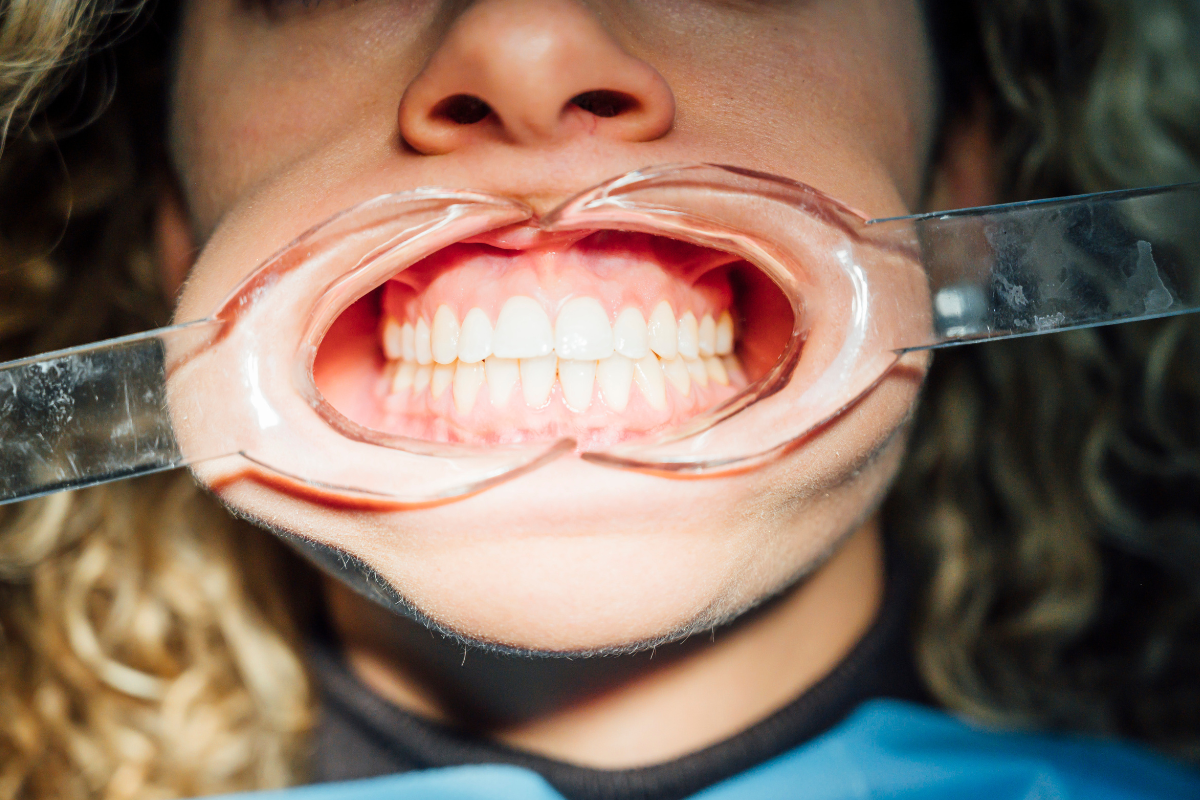


Visiting a new dental office might feel a bit daunting at first. It’s completely normal to wonder what the experience will be like when you walk in. Some expect discomfort, and others worry about judgment after skipping visits for years. In reality, most first appointments focus on learning about your oral health, understanding concerns, and creating a comfortable experience. Before Saturday’s football game near The Grove in Oxford, many families schedule appointments early in the week to avoid heavy traffic.
A first visit also helps patients understand how a practice approaches long-term care. The right local dental practice takes time to explain findings clearly and answer questions without pressure. That matters when choosing a dentist for ongoing treatment or future procedures. At Oxford Dental, new patient visits focus on comfort, clear communication, and modern technology designed to make care more efficient. Many people feel more relaxed once they understand what actually happens during a dental appointment.
Why First Visits Feel Different Than Regular Appointments?
Many people have wondered why their first visit often feels a bit different from their regular appointments. Here are the reasons:
Most New Patients Arrive With Questions
People often walk in carrying previous dental experiences with them. Some had positive visits growing up. Others avoided care because of discomfort, embarrassment, or scheduling difficulties. A first appointment gives the team a chance to understand those concerns. That conversation matters because no two patients have the same goals or oral health history.
The Appointment Usually Starts With Records And Health Information
Before treatment begins, patients typically complete medical and dental history forms. These records help the team understand medications, allergies, previous procedures, and overall health conditions. This step protects patient safety and improves treatment planning. Certain medical conditions may influence gum health, healing, or restorative care recommendations.
Digital Imaging Helps Build A Clearer Picture
Many modern practices now use advanced imaging technology during first visits. Dental offices mention digital X-rays and intraoral cameras on their website. Oxford Dental’s dentist uses these tools to identify concerns that may not appear during a basic visual exam. Digital imaging may help detect:
- Cavities between teeth
- Bone changes
- Gum-related concerns
- Cracks or worn restorations
- Early signs of infection
Patients often appreciate seeing these images themselves because it creates a better understanding of treatment recommendations.
What Does The Dental Team Actually Check During The Appointment?
The professionals at your dental office check many factors during your first visit. Here they are:
Teeth And Existing Dental Work
The clinical exam evaluates the condition of teeth, fillings, crowns, and other restorations already in place. Small issues often appear before patients notice symptoms at home. Early detection can help reduce future complications. A minor cavity caught early usually requires simpler treatment than advanced decay.
Gum Health And Tissue Changes
Healthy gums support long-term oral stability. During a first visit, the team may examine gum tissue for inflammation, recession, or signs of periodontal concerns. This part of the exam matters because gum problems sometimes develop quietly. Many patients notice bleeding only after inflammation has already progressed.
Bite Alignment And Jaw Function
The appointment may also include checking bite balance and jaw movement. Uneven pressure can contribute to tooth wear, fractures, or discomfort over time. Some patients arrive with headaches, clenching habits, or sensitivity without realizing that bite issues may contribute to those symptoms.
Oral Cancer Screenings Often Happen During Routine Exams
Many dental clinics include oral cancer screenings as part of preventive care services. These screenings involve checking soft tissues inside the mouth and surrounding areas for unusual changes. Early detection remains important because symptoms are not always obvious during the early stages. According to the American Cancer Society, approximately 58,500 Americans are expected to develop oral cavity or oropharyngeal cancer in 2026.
How To Prepare Before Your First Appointment?
If you are going to visit your local dental practice for the first time, here is how you can prepare:
Gather Your Medical History
Before your first visit, it’s helpful to gather any relevant medical records, including a list of medications you’re currently taking. This will allow the dental team to assess how your overall health might impact your treatment plan.
Write Down Any Questions
It’s easy to forget concerns during your appointment, so make a note of any specific questions or issues you’d like to address. Whether it’s about tooth sensitivity, gum concerns, or treatment options, having a written list ensures nothing gets overlooked.
Arrive Early
Arriving a few minutes before your scheduled appointment allows time to fill out any necessary paperwork. It also ensures you can relax before starting your visit. If you have insurance information, have that ready for verification as well.
Preparing ahead of time can make your first visit to the dental clinic smoother. This ensures the team can provide you with the best care possible.
Taking the First Step Towards Better Oral Health
Starting with a new oral care provider can feel intimidating, but understanding the process removes much of the uncertainty. Most first visits focus on learning about your oral health, identifying concerns early, and developing a plan that fits your needs. The right office creates an environment where patients feel informed instead of rushed. That approach helps people in Oxford feel more confident about maintaining regular care moving forward.
If it has been years since your last appointment or if dental anxiety still feels overwhelming, Oxford Dental offers a welcoming environment. It is designed to help patients feel more comfortable from the very beginning. Scheduling a visit with a dentist may be the first step toward improving both oral health and daily confidence.
Frequently Asked Questions
How long does a new patient appointment usually take?
Most first appointments last between 60 and 90 minutes. Timing depends on imaging needs, oral health concerns, and whether additional discussions happen during the visit. More detailed evaluations may require extra time for proper planning.
Are first visits usually painful?
Most appointments focus on evaluation, imaging, and discussion rather than invasive treatment. Patients typically experience minimal discomfort during exams or cleanings. Dental professionals also explain each step clearly to help reduce anxiety throughout the appointment.
Should medications be discussed during the appointment?
Yes. Certain medications affect gum health, healing, and treatment recommendations. Sharing updated medical information helps improve safety and allows the clinical team to make more informed decisions about future care.
What happens if treatment is needed immediately?
The oral care provider usually explains the issue, discusses options, and outlines next steps. Some concerns may require prompt attention, while others can be scheduled later. Recommendations often depend on symptoms, severity, and overall oral health findings.
Can nervous patients ask for breaks during treatment?
Yes. Most practices encourage communication throughout appointments. Patients can usually request short breaks, ask questions, or discuss discomfort at any point during the visit to help create a calmer experience.
Do first visits include discussions about cosmetic goals?
Yes. Many patients mention concerns about discoloration, worn teeth, or smile appearance during initial appointments. Oral practitioners may discuss available options after completing the exam and reviewing overall oral health conditions.
Recent Posts
See All