Maybe you had braces as a teenager, or maybe you never had them at all. Either way, you’ve noticed it: the front teeth that used to line up now overlap, the gap you didn’t have before has crept in, or your bottom teeth look more crowded than they did a decade ago.
It’s a common experience, and it’s usually fixable. For many adults, Invisalign can correct teeth that have shifted since childhood, though whether it’s the right fit depends on how far the teeth have moved and what’s driving the change.
Here’s why teeth shift, who tends to be a good candidate, what treatment looks like, and how to make sure your new alignment lasts.
Why Do Teeth Shift After Childhood?
Teeth aren’t permanently locked in place. They sit in bone and are held by ligaments, so they respond to pressure over time. Several things can nudge them out of position.
Orthodontic Relapse
This is the most common reason adults come back for treatment. After braces, the teeth want to drift toward their old positions, which is why retainers matter. Studies and clinicians consistently note that people who follow their retention instructions tend to have less relapse than those who don’t. If your retainer was lost, broken, or worn down over the years, shifting is very common.
Natural Changes With Age
Even people with great retainer habits can see slight movement over time. Teeth tend to drift gradually as we age, and the lower front teeth are often the first to look crowded.
Other Common Contributors
- Teeth grinding or clenching (bruxism)
- Missing teeth, which let neighboring teeth tilt or drift into the gap
- Gum disease, which can weaken the support around teeth
- Tongue thrust or habits like nail biting
- Wisdom teeth, which some people believe contribute to crowding (the research on this is mixed, so your dentist can advise based on your X-rays)
Understanding the cause matters, because a plan that straightens teeth without addressing the reason they moved may not hold.
Can Invisalign Fix Shifted Teeth?
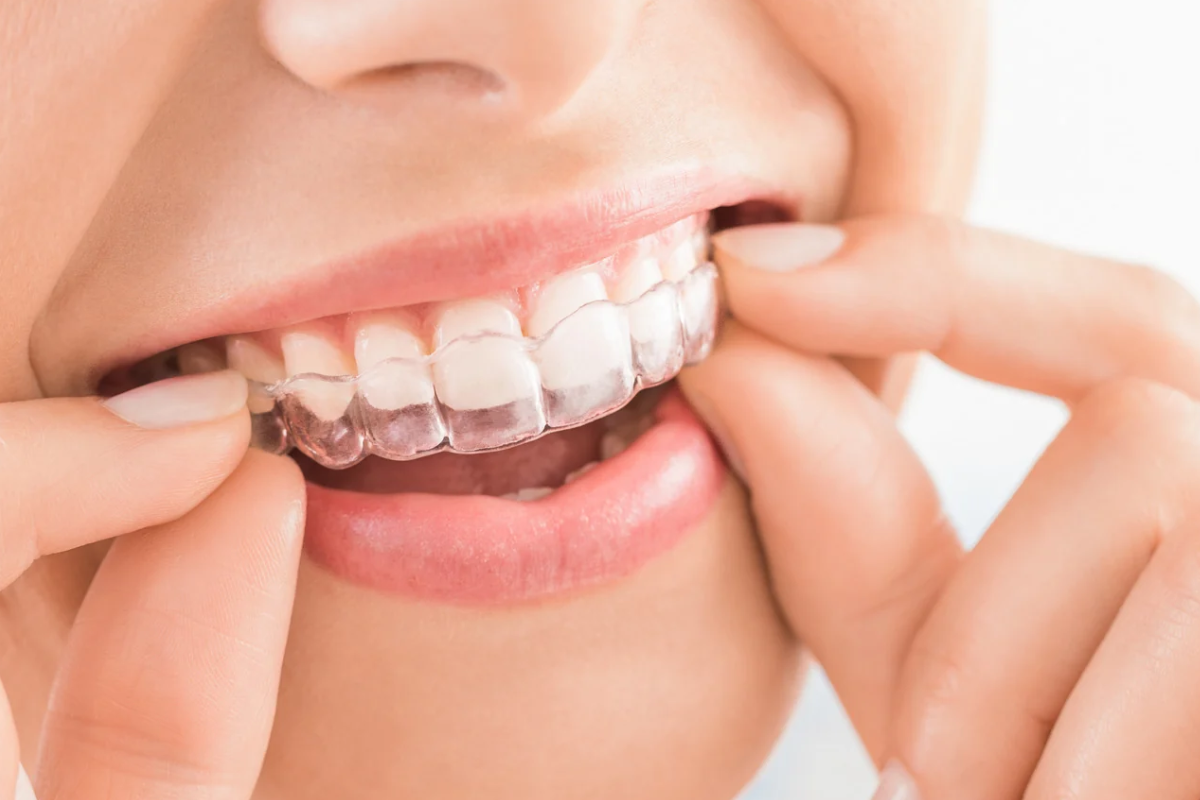
In many cases, yes. Invisalign uses a series of clear, custom aligners that gradually move teeth into new positions. It’s widely used for adults dealing with relapse after braces, and it’s often a good option for:
- Mild to moderate crowding
- Spacing and gaps that have opened up
- Minor rotations or overlaps
- Relapse of previously treated teeth
- Slight bite problems
If your teeth have only shifted a little, you may not need extensive treatment. Some practices offer shorter or limited treatment plans for minor movement, and your dentist can tell you whether that applies to you.
When Invisalign May Not Be the Best Fit
Clear aligners aren’t ideal for every case. Your dentist may recommend braces or another approach if you have:
- Severe crowding or complex bite problems
- Significant jaw alignment issues that may require orthodontic or surgical evaluation
- Active gum disease or untreated decay, which should be treated first
- Difficulty wearing aligners consistently. Invisalign only works when you wear the trays as directed.
An exam, X-rays, and a conversation about your goals are the only reliable way to know which category you’re in.
What to Expect From Invisalign Treatment
Every case is different, but the process generally looks like this:
- Consultation and exam. Your dentist evaluates your teeth, gums, and bite, and discusses your goals.
- Digital scans and planning. Your teeth are scanned, and a treatment plan maps out how they’ll move. Many patients can preview the expected result.
- Custom aligners. You receive a series of clear trays, each worn for a set time before moving to the next.
- Regular check-ins. Your dentist monitors progress and makes adjustments as needed.
- Retention. Once your teeth are in their new positions, a retainer helps keep them there.
How Long Does It Take?
Timelines vary by case. Minor relapse often takes less time than more significant movement, but your dentist will give you an estimate after evaluating your teeth. Results depend heavily on how consistently you wear your aligners.
Day-to-Day Life With Aligners
- Wear them for most of the day, as your dentist directs
- Remove them to eat and drink anything besides water
- Brush and floss before putting them back in
- Clean the trays regularly
- Expect some pressure or tenderness when starting a new set
For many adults, including busy professionals, students, and parents in the Oxford area, the discreet look and removable design are major advantages.
The Step Most People Skip: Retention
This is the most important part of the whole conversation. If your teeth shifted once, they can shift again without a plan to hold them.
After Invisalign, your dentist will likely recommend a retainer, which may be:
- Removable clear retainers, often worn at night
- A fixed (bonded) retainer behind the front teeth, sometimes combined with a removable one
Retention is usually a long-term commitment. Teeth have a tendency to move, and no retainer guarantees they won’t shift at all. But consistent wear is the best protection for your investment.
If you’ve lost your retainer, don’t wait. Teeth can move quickly when they’re not being held, and replacing a retainer sooner is often simpler than correcting more movement later.
Questions to Ask Before Starting Invisalign in Oxford, MS
When you’re comparing options for Invisalign in Oxford, MS, ask questions that help you understand the plan, not just the price:
- Am I a good candidate for clear aligners, or would another option work better?
- Why did my teeth shift, and how will we address that?
- How long might treatment take for my situation?
- Will I be able to preview the expected outcome?
- What are the costs, and does my insurance or HSA/FSA help?
- What retention plan do you recommend afterward?
- How often will I need appointments?
A good dental team will answer clearly and won’t promise a particular result before examining you.
Why Choose Oxford Dental for Invisalign
At Oxford Dental, we provide dental care for families and adults across Oxford and Lafayette County, from long-time residents to University of Mississippi students and staff. If you’re considering Invisalign Oxford patients can rely on us for honest guidance; our team will:
- Start with a complete exam of your teeth, gums, and bite
- Explain what caused your teeth to shift and what that means for treatment
- Talk through all your options, including whether Invisalign is the right choice
- Give you a realistic picture of the process, time commitment, and cost
- Help you plan for retention so you can protect your results
We can’t promise a specific timeline or outcome, since results vary from person to person. What we can promise is clear communication and care built around your goals.
Frequently Asked Questions
Can Invisalign fix teeth that shifted after braces?
In many cases, yes. Invisalign is commonly used for relapse after braces, especially when the movement is mild to moderate. Your dentist will evaluate how far your teeth have moved and whether clear aligners are appropriate.
Will my teeth shift again after Invisalign?
They can. Teeth naturally tend to move, which is why retainers are so important. Wearing your retainer as directed gives you the best chance of keeping your results, but no one can guarantee teeth will never shift.
I never had braces. Can Invisalign still help?
Often, yes. Many adults come in to correct crowding, gaps, or alignment concerns that were never treated in childhood. An exam will show whether clear aligners fit your case.
Is Invisalign as effective as braces?
For mild to moderate cases, Invisalign is a well-established option. More complex cases may be better suited to braces or other treatment. Your dentist can recommend the best approach for your teeth.
How do I know if I need retreatment or just a new retainer?
It depends on how much your teeth have moved. Very slight shifts sometimes respond to a new retainer or a short course of aligners, while more movement may need a full plan. An exam is the best way to find out.
Ready to Find Out If Invisalign Is Right for You?
If your smile has changed since childhood and you’re wondering what your options are, we’d love to help. Our team at Oxford Dental will examine your teeth, answer your questions, and recommend a plan that fits your goals and your schedule.
Contact Oxford Dental to schedule an Invisalign consultation in Oxford, MS.
Recent Posts
See All