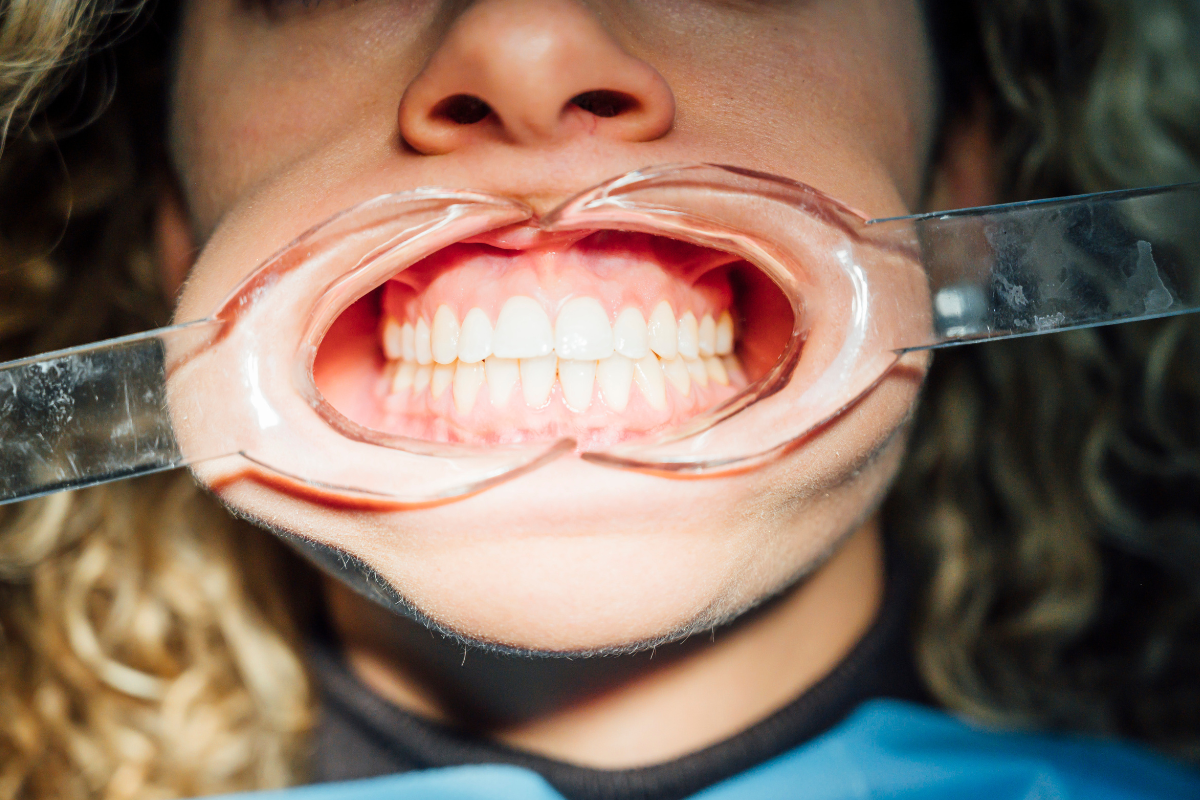

Children’s oral health plays a major role in their overall development, comfort, and confidence. From baby teeth to permanent smiles, early dental problems can affect eating, speaking, and even self-esteem if left untreated. Many parents are surprised to learn how common certain dental issues are during childhood and how early care can make a meaningful difference.
Understanding these conditions, their causes, and treatment options helps parents make informed decisions and support healthier habits from the start.
Tooth Decay and Cavities
Tooth decay is one of the most common dental problems in children. It often develops when sugary foods and drinks combine with poor brushing habits, allowing bacteria to weaken tooth enamel.
How it’s treated:
Treatment depends on how advanced the decay is. Early-stage cavities may be managed with fluoride treatments that help strengthen enamel. More advanced decay typically requires fillings to restore the tooth’s structure and function. Preventive care and routine cleanings are key to reducing the risk of future cavities.
Gum Inflammation and Gingivitis
Although gum disease is more common in adults, children can develop gingivitis. Red, swollen, or bleeding gums are often signs of plaque buildup along the gumline.
How it’s treated:
Professional cleanings combined with improved brushing and flossing habits usually resolve mild gum inflammation. Parents can help by supervising daily oral care and encouraging proper technique.
Thumb Sucking and Pacifier Use
Thumb sucking and prolonged pacifier use are natural self-soothing behaviors in young children. However, when these habits continue beyond early childhood, they may affect tooth alignment and jaw development.
How it’s treated:
In many cases, gentle encouragement and positive reinforcement are enough to help children stop on their own. If the habit persists, a pediatric dentist may recommend strategies or appliances designed to guide proper oral development.
Early Tooth Loss
Baby teeth are meant to fall out naturally, but premature tooth loss due to decay or injury can create spacing issues. Adjacent teeth may shift, leaving less room for permanent teeth.
How it’s treated:
Space maintainers are sometimes used to preserve proper alignment until adult teeth emerge. Early intervention helps reduce the likelihood of orthodontic problems later.
Crooked or Misaligned Teeth
Crowding, gaps, or bite issues can begin appearing as permanent teeth come in. Genetics, early tooth loss, or oral habits may contribute to misalignment.
How it’s treated:
Monitoring growth and development is important. In some cases, early orthodontic evaluations allow for timely treatment planning. Not every child needs braces right away, but early assessments help determine the best course of action.
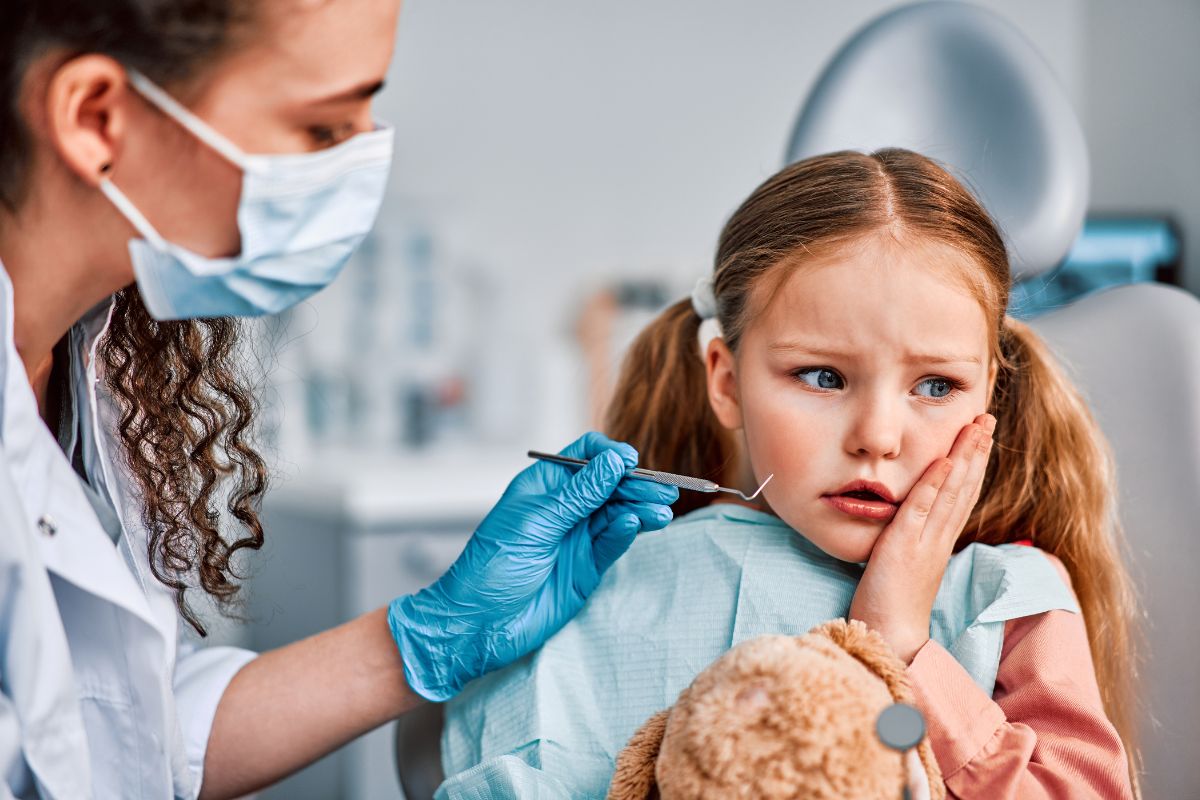
Dental Anxiety in Children
Fear of dental visits is a common concern, especially if a child has had a previous uncomfortable experience. Anxiety can make routine care more challenging and lead to avoidance.
How it’s treated:
Creating a calm, child-friendly environment and using clear, age-appropriate explanations can significantly reduce stress. Consistent visits help children become familiar with the dental setting, making future appointments easier.
Enamel Defects and Sensitivity
Some children are born with enamel that is thinner or weaker than normal. This can make teeth more sensitive and prone to decay.
How it’s treated:
Fluoride applications, sealants, and careful monitoring help protect vulnerable teeth. Parents may also receive guidance on toothpaste selection and dietary adjustments to reduce sensitivity.
The Importance of Preventive Care
Prevention is always easier than treatment. Regular checkups allow dental professionals to detect problems early, when they are easier and less invasive to manage. Preventive measures often include cleanings, sealants, and guidance on nutrition and oral hygiene routines.
Families in Oxford, MS often look for consistent care that supports both prevention and education. Clinics like Oxford Dental focus on helping children build positive habits that last into adulthood. Many parents searching for a trusted pediatric dentist Oxford value this emphasis on early guidance and long-term oral health.
Helping Children Maintain Healthy Smiles at Home
Parents play a crucial role in their child’s oral health. Simple steps can make a big difference:
- Encourage brushing twice daily with fluoride toothpaste
- Help younger children floss until they develop proper skills
- Limit sugary snacks and drinks
- Promote water as the primary beverage
- Schedule routine dental visits
Consistency at home reinforces professional care and supports healthy development.
Conclusion
Dental issues in children are common, but they are also manageable with early attention and proper care. From cavities and gum inflammation to alignment concerns and oral habits, understanding these conditions helps parents take proactive steps. Early treatment not only protects a child’s smile but also supports comfort, confidence, and overall health. With consistent preventive care and education, children can grow into adulthood with strong, healthy teeth.
If your child is due for a dental checkup or you have concerns about their oral health, scheduling a visit with a qualified pediatric dentist can provide clarity and peace of mind. Early evaluations help identify concerns, guide treatment when needed, and support a lifetime of healthier smiles.
Recent Posts
See All