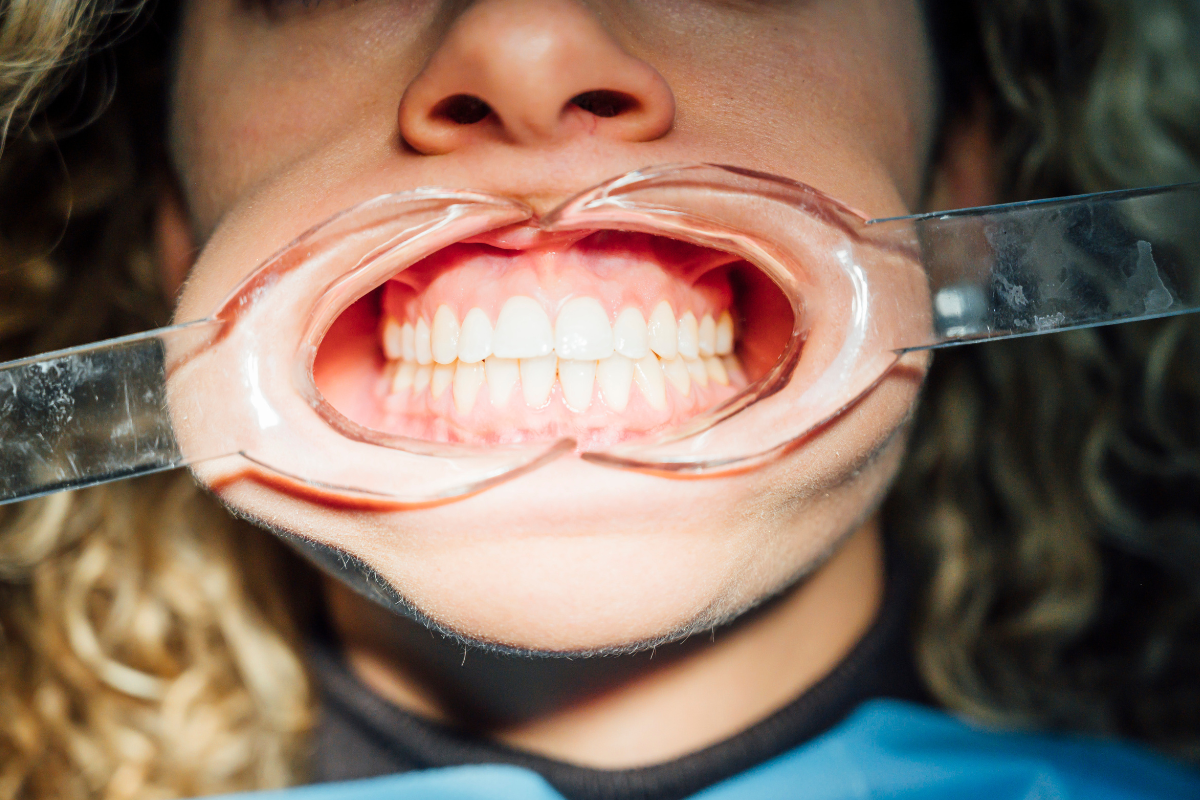


A brighter smile can boost confidence, but if you have sensitive teeth, whitening can feel risky. Many people avoid it altogether because they worry about pain, irritation, or long-term damage. The good news is that modern dental care offers safe, effective ways to lighten tooth color without causing discomfort—when done the right way.
This guide explains how whitening works, why sensitivity happens, and what options are safest for people with sensitive teeth. Whether you are exploring at-home care or professional treatment, understanding the process can help you make informed decisions that protect your smile.
Why Teeth Become Sensitive During Whitening
Sensitivity usually occurs when whitening agents penetrate the enamel and reach the dentin layer underneath. Dentin contains tiny tubules connected to nerve endings, which is why you may feel sharp or sudden discomfort.
Common factors that increase sensitivity include:
- Thin or worn enamel
- Gum recession that exposes tooth roots
- Existing cavities or cracked teeth
- Overuse of whitening products
- High concentrations of bleaching agents
Sensitivity does not mean teeth whitening is unsafe—it simply means your teeth need a more controlled and personalized approach.
Safe Whitening Options for Sensitive Teeth
1. Professional In-Office Treatment
Professional whitening performed under dental supervision is one of the safest choices for people with sensitivity concerns. Dentists use carefully measured solutions and protective barriers to reduce irritation. Treatment can also be adjusted based on how your teeth respond during the process.
Patients seeking teeth whitening Oxford residents trust often benefit from clinical oversight, especially when sensitivity is involved.
2. Custom Take-Home Trays
Custom trays made by a dental clinic fit your teeth precisely, ensuring even coverage and minimizing gel contact with gums. These systems typically use lower-strength formulas applied over several days, which reduces the risk of discomfort while still improving tooth color.
3. Whitening Toothpaste for Sensitive Teeth
While results are more gradual, whitening toothpaste designed for sensitive teeth can help remove surface stains without harsh abrasives. These products are best for maintenance or mild discoloration rather than dramatic changes.
4. Avoid Over-the-Counter One-Size-Fits-All Kits
Generic strips or trays may not account for individual tooth shape or sensitivity levels. Ill-fitting products can expose gums to bleaching agents, increasing irritation and uneven results.
How to Reduce Sensitivity Before and After Whitening
Managing sensitivity starts before treatment and continues afterward. Simple steps can make a noticeable difference:
- Use toothpaste formulated for sensitive teeth for at least two weeks before whitening
- Avoid acidic foods and drinks that weaken enamel
- Do not whiten if you have untreated dental issues
- Take breaks between whitening sessions
- Follow all post-treatment instructions provided by your dentist
Hydration and good oral hygiene also play an important role in enamel health.
What Results Can You Expect?
People with sensitive teeth often see gradual but noticeable improvement. While results may take slightly longer compared to aggressive treatments, the outcome is typically more comfortable and longer-lasting.
It is important to understand that whitening does not work on crowns, veneers, or fillings. A dental evaluation helps ensure expectations are realistic and tailored to your oral health.
When to See a Dentist First
If you experience frequent tooth pain, temperature sensitivity, or gum irritation, it is essential to consult a dental professional before starting any whitening process. A dentist can identify underlying causes and recommend the safest approach.
At Oxford Dental in Oxford, MS, patient comfort and enamel protection are always prioritized when discussing cosmetic dental options.
Conclusion
Whitening sensitive teeth does not have to be painful or damaging. With the right guidance, products, and professional support, it is possible to improve your smile safely and comfortably. The key is choosing methods that respect your enamel, addressing sensitivity early, and avoiding shortcuts that may cause harm.
A personalized approach delivers better results and protects your long-term oral health.
If you are considering whitening but worry about sensitivity, a professional consultation can help you explore safe options designed for your needs. Schedule a visit with Oxford Dental in Oxford, MS, to learn which approach is best for your smile and comfort.
Recent Posts
See All