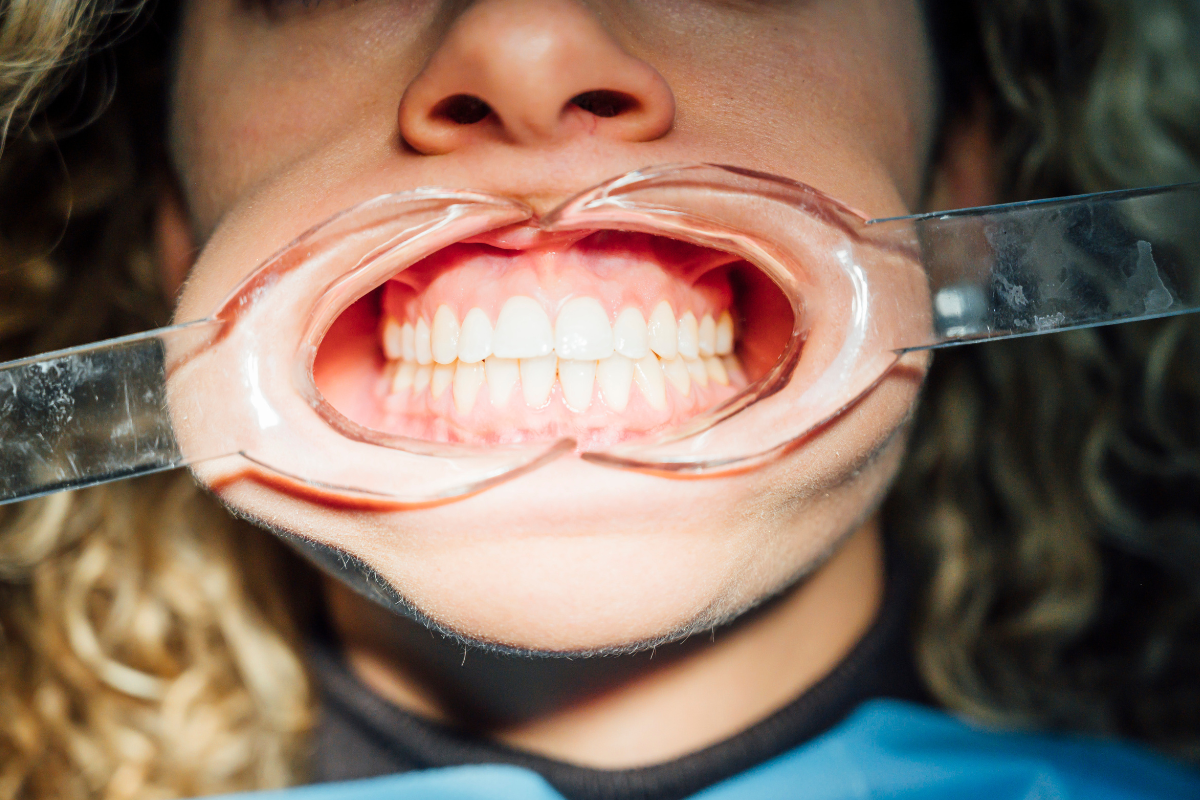

Missing teeth can affect nearly every part of daily life. From eating and speaking to smiling confidently in social situations, tooth loss often impacts both oral function and self-esteem. Fortunately, modern restorative dentistry offers multiple solutions for replacing missing teeth, with dental implants and dentures being two of the most common options.
While both treatments can restore your smile, they work very differently and offer unique advantages depending on your oral health needs, lifestyle, and long-term goals. Some patients prioritize affordability and convenience, while others focus on durability, comfort, and long-term stability.
Many patients researching dental implants Oxford treatment options want to understand how implants compare to traditional dentures before making a decision. Working with an experienced dentist or oral care provider can help you determine which solution best fits your needs and supports long-term oral health.
If you live in Oxford, Mississippi, understanding the differences between dentures and dental implants can help you make a more confident and informed treatment choice.
Understanding Dental Implants
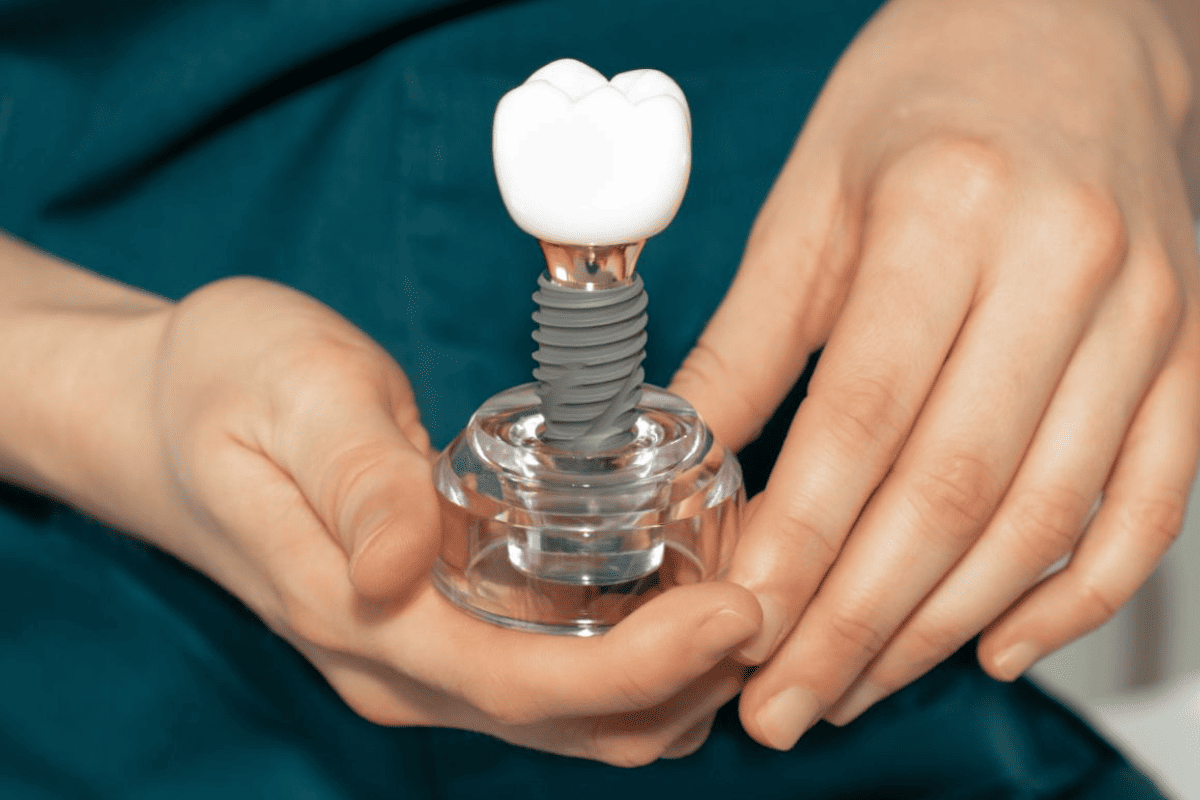
Dental implants are permanent tooth replacement solutions designed to function like natural teeth. An implant consists of a titanium post that is surgically placed into the jawbone, acting as an artificial tooth root.
Once the implant heals and integrates with the bone, a dental crown, bridge, or implant-supported denture is attached to complete the restoration.
Benefits of Dental Implants
Dental implants offer several long-term advantages, including:
- Natural appearance and feel
- Improved chewing ability
- Long-term durability
- Jawbone preservation
- Increased stability
- No slipping while eating or speaking
Many Oxford patients choose implants because they closely resemble natural teeth and provide a more secure solution compared to removable dentures.
Understanding Traditional Dentures
Dentures are removable appliances used to replace missing teeth and surrounding tissues. Depending on the number of missing teeth, patients may receive either full or partial dentures.
Traditional dentures rest on top of the gums and are custom-designed to improve appearance and oral function.
Benefits of Dentures
Dentures remain a popular option because they offer:
- Lower upfront costs
- Faster treatment timelines
- Non-surgical tooth replacement
- Improved appearance
- Better speech support
For some patients, dentures provide an effective and affordable way to restore missing teeth without undergoing surgical procedures.
Comparing Comfort and Stability
Comfort is one of the biggest differences between implants and dentures.
Dental Implants Offer Greater Stability
Because implants are anchored directly into the jawbone, they remain stable during daily activities such as:
- Eating
- Speaking
- Laughing
- Smiling
Patients do not need to worry about shifting or slipping.
Dentures May Require Adjustments
Traditional dentures rely on the gums for support and may become loose over time as the jawbone changes shape.
Some denture wearers experience:
- Gum irritation
- Movement while chewing
- Difficulty eating certain foods
- Soreness from prolonged wear
A trusted dental clinic can help patients understand which option may provide greater long-term comfort based on their oral health condition.
Jawbone Health and Long-Term Oral Health
One of the most important differences between dental implants and dentures involves jawbone preservation.
Dental Implants Help Preserve Bone
Dental implants stimulate the jawbone similarly to natural tooth roots. This stimulation helps maintain bone density and reduces the risk of bone loss after tooth loss.
Benefits may include:
- Better facial structure support
- Reduced jawbone deterioration
- Improved long-term oral stability
Dentures Do Not Prevent Bone Loss
Traditional dentures sit above the gums and do not stimulate the jawbone. Over time, bone shrinkage may occur, leading to:
- Changes in facial appearance
- Poor denture fit
- Increased looseness
Many local dental practice professionals recommend implants for patients concerned about long-term bone health.
Comparing Appearance and Natural Feel
Both dentures and implants improve the appearance of your smile, but implants generally provide a more natural feel.
Dental Implants Closely Mimic Natural Teeth
Implants are designed to look, feel, and function like real teeth. Most patients report that implants feel more natural because they are securely fixed in place.
Dentures Can Still Improve Smile Appearance
Modern dentures are more natural-looking than older versions, but some patients may notice differences in fit or feel.
An experienced oral care provider can help customize either option for improved aesthetics and comfort.
Eating and Speaking with Implants vs Dentures
Daily function is another major factor patients consider.
Dental Implants Improve Chewing Strength
Because implants are firmly secured, patients can often enjoy a wider variety of foods without concern.
This includes:
- Crunchy foods
- Tough meats
- Fresh fruits and vegetables
Dentures May Limit Certain Foods
Some denture wearers avoid hard or sticky foods due to movement or discomfort while chewing.
Speech may also require an adjustment period for new denture patients.
A qualified dentist can help patients understand what to expect during the transition process.
Treatment Timeline and Procedure Differences
The treatment process differs significantly between implants and dentures.
Dental Implant Treatment
Implants generally require multiple steps, including:
- Consultation and imaging
- Implant placement surgery
- Healing and bone integration
- Placement of final restoration
The process may take several months, depending on healing time.
Denture Treatment
Dentures typically involve:
- Impressions and measurements
- Fabrication of the appliance
- Fitting and adjustments
Dentures can usually be completed more quickly than implants.
Your dental clinic can explain which option aligns best with your timeline and treatment goals.
Cost Considerations
Cost is often an important deciding factor for many patients.
Dental Implants
Implants usually involve a higher upfront investment due to:
- Surgical placement
- Advanced materials
- Long-term durability
However, many patients view implants as a worthwhile long-term solution because of their stability and lifespan.
Dentures
Dentures are generally more affordable initially, making them accessible for many patients.
However, they may require:
- Periodic adjustments
- Relining
- Replacement over time
A trusted local dental practice in Oxford can discuss financing options and help patients compare long-term value.
Who Is a Good Candidate for Dental Implants?
Many adults qualify for implants, but certain factors affect candidacy.
Good candidates often have:
- Healthy gums
- Adequate jawbone density
- Good oral hygiene habits
- Overall stable health
Some patients with bone loss may require additional procedures before implant placement.
A professional oral care provider can evaluate your oral health and determine the best treatment option.
Why Oxford Patients Are Choosing Dental Implants
Many patients in Oxford, Mississippi, are increasingly choosing implants because of the long-term benefits they provide.
Common reasons include:
- Improved confidence
- Better oral function
- Greater comfort
- Long-lasting results
- Natural appearance
Modern implant technology allows many patients to restore their smiles with highly customized treatment solutions.
Choosing the Right Dental Provider in Oxford
Whether you choose implants or dentures, selecting the right dental clinic is an important part of achieving successful results.
When researching a local dental practice, consider:
- Experience with restorative dentistry
- Technology and imaging capabilities
- Personalized treatment planning
- Patient reviews
- Comprehensive consultation process
An experienced dentist can help you understand all available options and create a treatment plan tailored to your needs.
Frequently Asked Questions
Are dental implants better than dentures?
Both options have advantages, but dental implants often provide greater stability, comfort, and long-term oral health benefits.
How long do dental implants last?
With proper care, dental implants can last many years and may even last a lifetime in some cases.
Are dentures more affordable than implants?
Dentures generally have lower upfront costs, but implants may provide better long-term value due to their durability.
Can I switch from dentures to implants later?
Yes. Many patients transition from traditional dentures to implant-supported restorations over time.
Do dental implants require special care?
Dental implants should be cared for similarly to natural teeth through brushing, flossing, and regular dental visits.
Find the Right Tooth Replacement Solution for Your Smile
Choosing between implants and dentures is a personal decision that depends on your oral health, lifestyle, goals, and budget. Both treatments can improve your smile and restore function, but dental implants often provide greater long-term comfort, stability, and jawbone support.
If you are exploring dental implants Oxford treatment options, scheduling a consultation with a trusted dental clinic in Oxford, Mississippi, can help you better understand your choices. An experienced oral care provider can evaluate your needs, answer your questions, and recommend the best solution for restoring your smile and confidence.
Taking the first step toward tooth replacement can improve both your oral health and your quality of life for years to come. Book your appointment today!
Recent Posts
See All