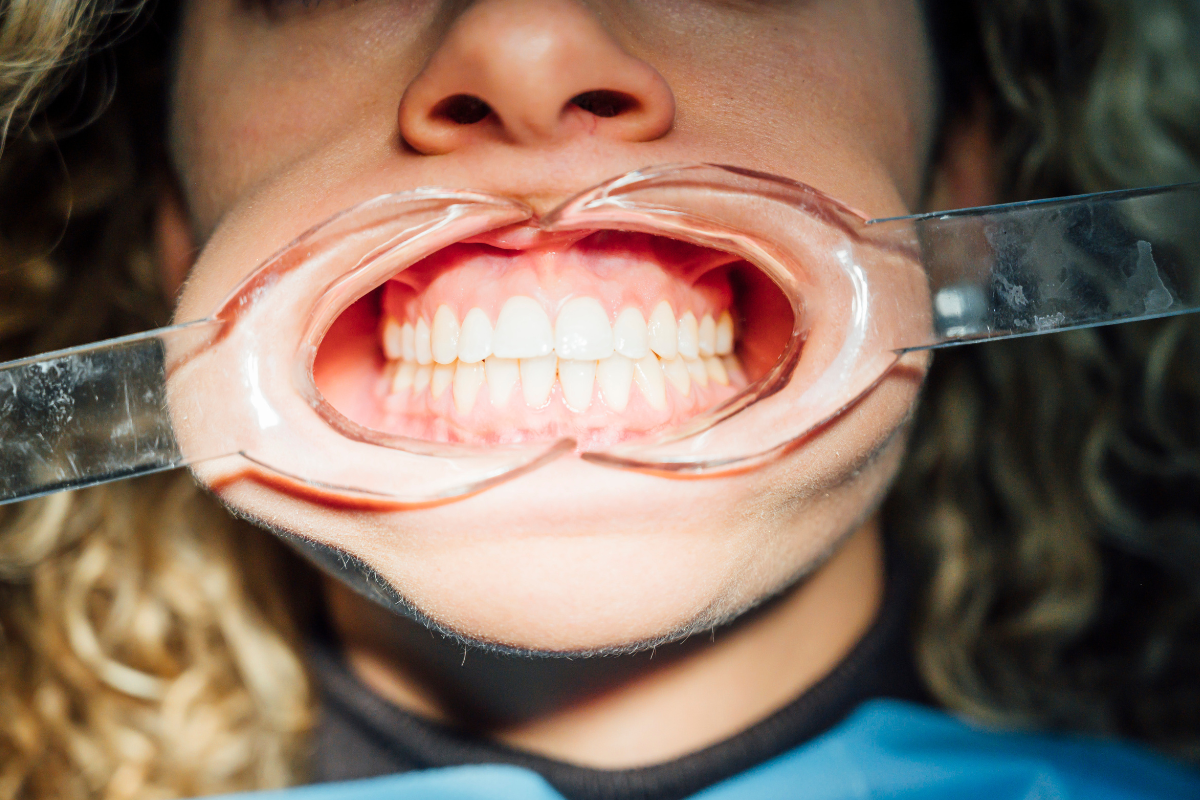

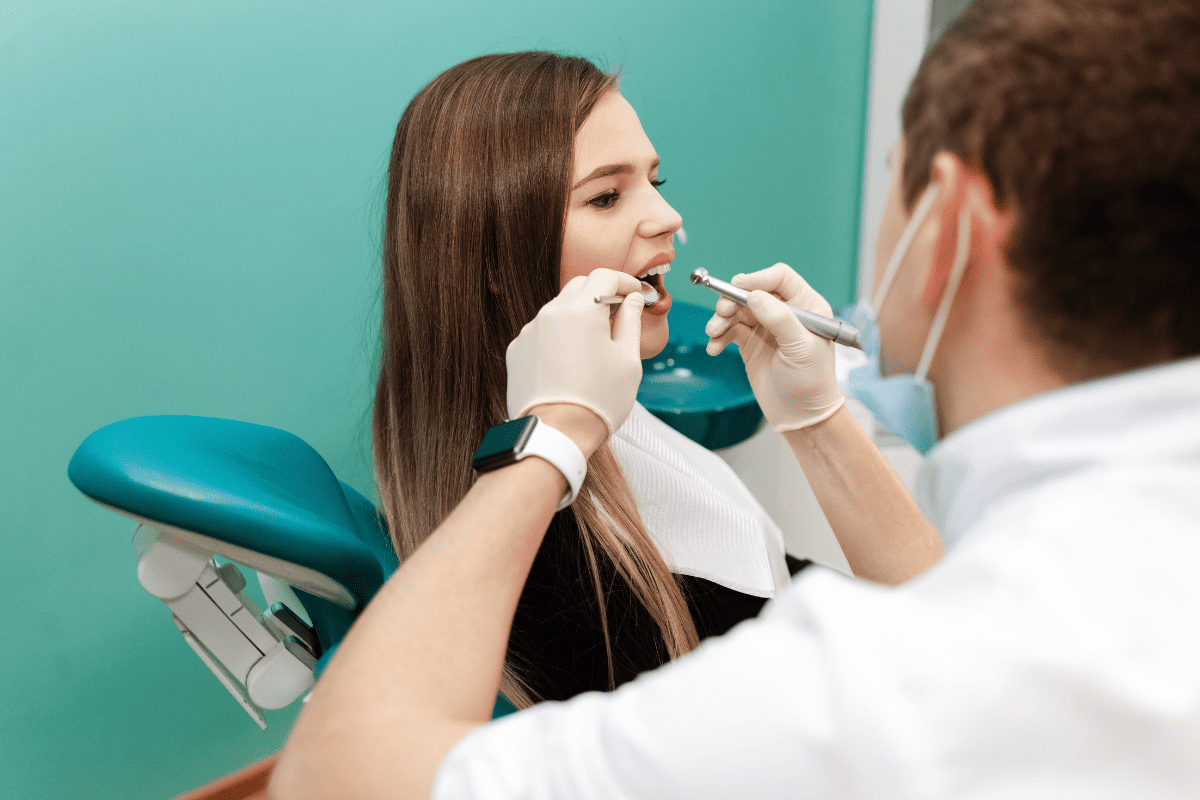
Many people think orthodontic treatment is only about straightening crooked teeth for a more attractive smile. While aesthetics are certainly a benefit, orthodontics plays a much larger role in your overall oral health. The way your teeth fit together—known as your bite- can affect everything from chewing and speaking to jaw comfort and long-term dental health.
Unfortunately, bite problems often develop gradually, making them easy to overlook. Some people adapt to discomfort or assume certain issues are normal because they’ve lived with them for years. However, untreated orthodontic concerns can lead to more significant complications over time, including uneven tooth wear, jaw pain, and difficulty maintaining proper oral hygiene.
At Oxford Dental, we regularly help patients identify and address bite-related concerns before they become more serious. If you’re considering orthodontics in Oxford, understanding the warning signs of common orthodontic problems can help you determine whether it’s time to seek professional evaluation.
What Does It Mean to Have a Healthy Bite?
A healthy bite occurs when your upper and lower teeth align properly when your mouth is closed. Proper alignment allows your teeth, jaw joints, and facial muscles to work together efficiently.
When your bite functions correctly, you can:
- Chew comfortably
- Speak clearly
- Maintain better oral hygiene
- Reduce unnecessary stress on teeth and jaw joints
- Support long-term oral health
When teeth are misaligned, however, everyday functions can become more difficult and may place additional strain on your mouth and jaw.
Why Orthodontic Problems Shouldn’t Be Ignored
Many orthodontic concerns involve more than appearance.
Untreated bite problems may contribute to:
- Tooth wear
- Chipped or cracked teeth
- Jaw discomfort
- Headaches
- Gum problems
- Difficulty cleaning teeth properly
- Increased risk of cavities
Addressing these concerns early often helps prevent more complex dental issues in the future.
Common Orthodontic Problem: Overbite
An overbite occurs when the upper front teeth significantly overlap the lower front teeth.
Signs of an Overbite
You may notice:
- Excessive overlap of front teeth
- Difficulty biting into foods
- Tooth wear on the lower front teeth
- Jaw discomfort
Why Treatment Matters
A severe overbite can increase stress on teeth and contribute to uneven wear over time.
Many patients seeking orthodontics in Oxford are surprised to learn that correcting an overbite can improve both function and comfort.
Common Orthodontic Problem: Underbite
An underbite occurs when the lower teeth extend beyond the upper teeth.
Potential Effects of an Underbite
This condition may lead to:
- Chewing difficulties
- Speech challenges
- Increased tooth wear
- Jaw strain
Long-Term Concerns
If left untreated, an underbite can affect facial balance and contribute to ongoing functional problems.
Common Orthodontic Problem: Crossbite
A crossbite occurs when some upper teeth sit inside the lower teeth rather than outside them.
Signs of a Crossbite
Patients may experience:
- Uneven tooth wear
- Gum recession
- Jaw shifting during chewing
- Bite discomfort
Why Early Intervention Helps
Treating a crossbite early can help prevent damage to teeth and supporting structures.
Common Orthodontic Problem: Open Bite
An open bite occurs when the upper and lower teeth do not meet properly when the mouth is closed.
Symptoms of an Open Bite
Common signs include:
- Difficulty biting into foods
- Speech concerns
- Visible gap between upper and lower teeth
Potential Causes
Open bites may develop due to:
- Thumb sucking
- Tongue thrusting
- Skeletal growth patterns
Orthodontic treatment can often improve both appearance and function.
Common Orthodontic Problem: Crowded Teeth
Crowding occurs when there isn’t enough space in the jaw to accommodate all teeth properly.
Why Crowding Is Problematic
Crowded teeth can make it more difficult to:
- Brush effectively
- Floss thoroughly
- Remove plaque buildup
As a result, patients may face increased risks of:
- Tooth decay
- Gum disease
- Bad breath
Straightening crowded teeth can support better oral hygiene and long-term health.
Common Orthodontic Problem: Gaps Between Teeth
While some patients appreciate unique spacing, significant gaps can sometimes create functional concerns.
Potential Issues Caused by Spacing
Large gaps may contribute to:
- Food trapping
- Gum irritation
- Bite imbalances
Orthodontic treatment can help improve both aesthetics and function.
Common Orthodontic Problem: Jaw Pain and Bite Misalignment
Many patients don’t immediately associate jaw discomfort with orthodontic issues.
Signs of Bite-Related Jaw Problems
You may experience:
- Jaw pain
- Clicking sounds
- Headaches
- Facial tension
- Difficulty opening or closing the mouth
A comprehensive evaluation by a dentist can help determine whether bite alignment is contributing to these symptoms.
How Orthodontic Problems Affect Oral Health
Orthodontic concerns impact more than just tooth alignment.
Poor bite relationships can lead to:
Uneven Tooth Wear
When teeth do not align properly, certain teeth absorb excessive chewing forces.
Over time, this may result in:
- Flattened teeth
- Cracks
- Enamel damage
Increased Risk of Gum Problems
Misaligned teeth often create areas that are difficult to clean.
This can lead to:
- Plaque accumulation
- Gingivitis
- Periodontal disease
Higher Risk of Dental Emergencies
Teeth that protrude excessively may be more vulnerable to injury during sports or accidents.
Modern Orthodontic Solutions
The good news is that orthodontic treatment has evolved significantly in recent years.
Patients today have access to several treatment options, including:
Traditional Braces
Braces remain highly effective for correcting a wide range of orthodontic issues.
Benefits include:
- Precise tooth movement
- Reliable results
- Treatment for complex cases
Clear Aligners
Many adults and teens prefer clear aligners because they are:
- Nearly invisible
- Removable
- Comfortable
- Convenient
Customized Treatment Plans
At our dental clinic, we evaluate each patient’s unique needs and develop individualized treatment recommendations.
When Should You Schedule an Orthodontic Evaluation?
You don’t need to wait until symptoms become severe.
Consider scheduling an evaluation if you notice:
- Crooked teeth
- Bite irregularities
- Jaw discomfort
- Difficulty chewing
- Speech concerns
- Tooth crowding
- Gaps between teeth
Early intervention often allows for more efficient treatment and improved outcomes.
Why Patients Choose Orthodontics in Oxford
Residents of Oxford, Mississippi, understand the importance of maintaining healthy smiles throughout life.
At Oxford Dental, we provide comprehensive orthodontic evaluations designed to identify bite issues and create personalized treatment plans. Whether you’re concerned about crowded teeth, bite alignment, or jaw discomfort, our team is committed to helping you achieve a healthier, more functional smile.
As a trusted provider of orthodontics in Oxford, we focus on solutions that enhance both appearance and oral health. Our goal is not simply to straighten teeth but to improve long-term comfort, function, and confidence.
The Benefits of Correcting Orthodontic Problems
Addressing orthodontic concerns can provide numerous advantages, including:
- Improved smile aesthetics
- Better chewing efficiency
- Enhanced oral hygiene
- Reduced tooth wear
- Improved jaw comfort
- Greater confidence
- Long-term oral health benefits
For many patients, orthodontic treatment is an investment that pays dividends for years to come.
Frequently Asked Questions
How do I know if I have a bite problem?
Common signs include difficulty chewing, jaw pain, uneven tooth wear, crowded teeth, spacing issues, and noticeable misalignment when you bite down.
Is orthodontic treatment only for children and teenagers?
No. Adults of all ages can benefit from orthodontic treatment. Many patients pursue treatment later in life to improve oral health and aesthetics.
Can orthodontic treatment help with jaw pain?
In some cases, yes. If bite misalignment contributes to jaw strain, correcting the alignment may improve comfort and function.
Are clear aligners as effective as braces?
Clear aligners can be highly effective for many orthodontic cases. The best option depends on the complexity of the alignment issues being treated.
How long does orthodontic treatment usually take?
Treatment times vary depending on the severity of the condition and the chosen treatment method. A personalized consultation can provide a more accurate estimate.
Conclusion
Many orthodontic problems develop gradually and may not seem urgent at first. However, issues such as overbites, underbites, crowding, spacing, and jaw discomfort can affect far more than the appearance of your smile. Left untreated, these concerns may contribute to long-term oral health complications and reduced comfort.
At Oxford Dental, we believe that early evaluation and personalized treatment can help patients achieve healthier, more functional smiles. Whether you’re experiencing noticeable bite issues or simply want to explore your options, our team is here to help.
If you’ve been considering orthodontics in Oxford, now may be the perfect time to schedule an evaluation. Together, we can determine whether orthodontic treatment can improve your bite, protect your oral health, and give you greater confidence in your smile for years to come.
Recent Posts
See All