
A beautiful smile can leave a lasting impression, boost your confidence, and help you feel more comfortable in both personal and professional settings. However, chipped teeth, stubborn stains, uneven edges, or small gaps can make many people feel self-conscious about showing their smile. Fortunately, today’s cosmetic dentistry offers several ways to address these concerns without compromising the natural look of your teeth.
Two of the most popular cosmetic treatments are dental veneers and dental bonding. While both can dramatically improve your smile, they serve different purposes and offer unique advantages. Choosing the right treatment depends on your cosmetic goals, lifestyle, budget, and the condition of your teeth.
At Oxford Dental, we believe every smile is unique. Whether you’re looking for a complete smile makeover or a simple cosmetic enhancement, our team takes the time to explain every option so you can make an informed decision. If you’re researching veneers in Oxford, understanding how veneers compare to bonding can help you choose the treatment that best fits your long-term goals.
Understanding the Difference Between Veneers and Bonding
Although veneers and bonding both improve the appearance of teeth, the materials, procedures, and long-term results are quite different.
What Are Dental Veneers?
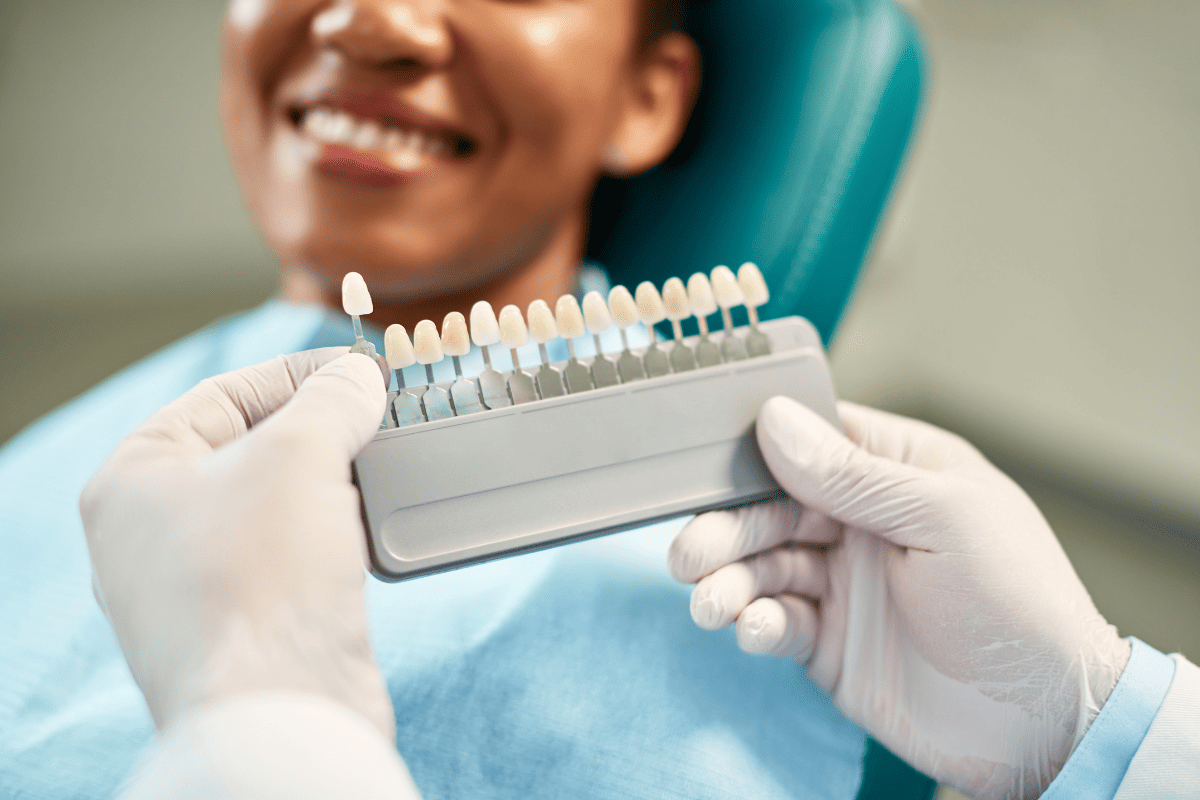
Dental veneers are ultra-thin shells, most commonly crafted from porcelain, that are permanently bonded to the front surface of your teeth. They are custom-designed to improve the color, shape, size, and overall appearance of your smile while maintaining a natural look.
Many patients choose veneers to:
- Brighten teeth with deep discoloration
- Correct worn or uneven teeth
- Close small gaps
- Improve symmetry
- Create a complete smile makeover
Because every veneer is individually designed, the final result is customized to complement your facial features and smile.
What Is Dental Bonding?
Dental bonding is a more conservative cosmetic treatment that uses a tooth-colored composite resin to repair or reshape teeth.
During the procedure, the resin is carefully applied, sculpted, hardened with a special curing light, and polished to blend with the surrounding teeth.
Bonding is commonly recommended for:
- Small chips
- Minor cracks
- Tiny gaps
- Slight discoloration
- Minor reshaping
Because bonding preserves nearly all of your natural tooth structure, it’s often considered one of the least invasive cosmetic procedures available.
Veneers vs. Bonding: Comparing Your Options
Both treatments improve your smile, but each has strengths that make it better suited for certain situations.
1. Appearance
If achieving a flawless smile is your top priority, veneers generally provide the most dramatic cosmetic improvement.
Veneers offer:
- Exceptional color matching
- Excellent translucency that mimics natural enamel
- Consistent tooth shape and symmetry
- Long-lasting brightness
- Highly polished aesthetics
Porcelain also reflects light similarly to natural enamel, giving veneers an incredibly lifelike appearance.
Bonding provides:
- Natural-looking cosmetic improvements
- Good color matching
- Excellent results for smaller repairs
- Conservative enhancement without major changes
For patients seeking subtle corrections rather than a complete smile makeover, bonding often delivers excellent results.
2. Durability
One of the biggest differences between the two treatments is longevity.
Veneers
Porcelain veneers are highly durable and can often last 10 to 15 years or longer with proper care.
They resist:
- Staining
- Everyday wear
- Surface discoloration
- Minor chipping
Bonding
Composite bonding generally lasts 3 to 7 years, depending on oral habits and daily care.
Because composite resin is softer than porcelain, it is more likely to:
- Chip
- Wear down
- Stain from coffee, tea, wine, or tobacco
Patients looking for a longer-lasting investment often find that veneers provide greater value over time.
3. Treatment Process
The procedures are also quite different.
Getting Veneers
Receiving veneers usually requires two appointments.
The process typically includes:
- Smile consultation
- Digital imaging and treatment planning
- Preparing the teeth by removing a small amount of enamel
- Taking impressions or digital scans
- Creating custom veneers
- Bonding the finished veneers into place
Because a small amount of enamel is removed, veneers are considered a permanent treatment.
Getting Dental Bonding
Bonding is often completed in just one visit.
Your dentist will:
- Select a matching resin shade
- Apply the composite material
- Sculpt the tooth
- Harden it with a curing light
- Polish it for a smooth finish
Since little or no enamel is removed, bonding is a much more conservative option.
4. Cost
Budget is another important factor for many patients.
Veneers
Although veneers typically involve a higher initial investment, many patients appreciate their:
- Long lifespan
- Excellent stain resistance
- Minimal maintenance
- Superior cosmetic results
Bonding
Bonding generally costs less upfront, making it a great choice for patients seeking affordable cosmetic improvements.
However, because bonding may require touch-ups or replacement over time, long-term costs can sometimes be higher than expected.
5. Which Cosmetic Concerns Can Each Treatment Fix?
Understanding what each treatment does best can help narrow your decision.
Veneers are ideal for:
- Multiple cosmetic concerns
- Deep stains that whitening cannot remove
- Uneven tooth shapes
- Worn enamel
- Multiple small gaps
- Smile makeovers
Patients wanting a dramatic transformation often choose veneers because they address several concerns simultaneously.
Bonding is ideal for:
- Small chips
- Minor cracks
- Tiny gaps
- Slight reshaping
- Small areas of discoloration
If you’re happy with most of your smile and only need a few minor improvements, bonding may be all you need.
When Veneers Make More Sense
Veneers are often recommended for patients seeking comprehensive cosmetic improvement rather than isolated repairs.
You may be an excellent candidate if you have:
- Teeth that remain stained after whitening
- Several worn or uneven teeth
- Multiple cosmetic concerns
- Minor spacing issues
- A desire for a complete smile makeover
At Oxford Dental, we use digital smile planning to help patients visualize their expected results before treatment begins, allowing them to feel confident about their decision.
When Bonding May Be the Better Choice
Not every smile requires veneers.
Dental bonding may be recommended if you:
- Chipped a single tooth
- Want a quick cosmetic improvement
- Prefer minimal treatment
- Have a limited budget
- Need small repairs after an accident
Because bonding preserves almost all of your natural tooth structure, it is often an excellent first step for patients exploring cosmetic dentistry.
Can Veneers and Bonding Be Used Together?
Absolutely.
Many patients benefit from combining both treatments to achieve the most natural-looking outcome.
For example, your dentist may recommend:
- Veneers for the front teeth
- Bonding for smaller cosmetic corrections
- Bonding to refine the edges surrounding the veneers
Every smile is different, which is why personalized treatment planning is so important.
Caring for Veneers and Bonding
Both veneers and bonding can provide beautiful results, but maintaining them requires good oral hygiene and healthy habits.
Caring for Veneers
Porcelain veneers are durable, but they still benefit from proper care.
To help them last as long as possible:
- Brush twice a day with a non-abrasive toothpaste
- Floss daily
- Visit your dentist for regular cleanings and exams
- Avoid chewing on ice, pens, or other hard objects
- Wear a nightguard if you grind your teeth
Although veneers resist staining better than natural teeth, maintaining good oral hygiene helps keep your entire smile looking healthy.
Caring for Dental Bonding
Bonding requires similar care but may need a little more attention because composite resin can stain over time.
To protect your bonding:
- Brush and floss consistently
- Limit coffee, tea, red wine, and tobacco products
- Avoid biting hard foods with bonded teeth
- Schedule routine dental checkups
- Have the bonding polished or repaired if needed
With proper care, bonding can continue looking natural for many years.
Which Treatment Lasts Longer?
Longevity is often one of the biggest deciding factors.
Dental Veneers
With proper care, porcelain veneers commonly last:
- 10–15 years
- Sometimes even longer, with excellent maintenance
Their stain resistance and strength make them a popular long-term cosmetic solution.
Dental Bonding
Composite bonding generally lasts:
- 3–7 years
- Sometimes longer, depending on oral habits
Patients who frequently bite their nails, chew ice, or grind their teeth may require repairs sooner.
Beyond Cosmetics: The Confidence Boost
Improving your smile often affects much more than your appearance.
Many patients tell us they feel more confident when they:
- Smile in photographs
- Meet new people
- Speak during presentations
- Attend interviews
- Participate in social events
- Laugh without covering their mouth
At Oxford Dental, one of the most rewarding parts of cosmetic dentistry is seeing how even small smile improvements can positively impact a patient’s confidence and quality of life.
Why More Patients Are Choosing Cosmetic Dentistry in Oxford
More adults than ever are investing in cosmetic dental treatments to enhance their smiles while maintaining a natural appearance.
Patients often choose veneers or bonding because they want to:
- Correct long-standing imperfections
- Feel more confident at work
- Prepare for weddings or special events
- Replace old cosmetic dental work
- Improve the overall balance of their smile
Whether you’re looking for subtle refinements or a complete smile makeover, today’s cosmetic treatments offer highly personalized solutions.
Choosing the Right Provider for Veneers in Oxford
The success of any cosmetic dental treatment depends heavily on the experience and artistic skill of your dentist.
When selecting a cosmetic dentist, look for a practice that offers:
- Extensive experience in cosmetic dentistry
- Digital smile design technology
- Customized treatment planning
- Before-and-after smile galleries
- High-quality dental materials
- A patient-centered approach
At Oxford Dental, we take the time to understand your goals, evaluate your oral health, and recommend treatments that complement your smile rather than creating a one-size-fits-all result.
Frequently Asked Questions
Are veneers better than dental bonding?
Neither treatment is universally better. Veneers are generally more durable and better suited for comprehensive smile makeovers, while bonding is ideal for small cosmetic corrections and more conservative treatment.
Does dental bonding damage natural teeth?
No. Bonding usually requires little or no removal of healthy tooth enamel, making it one of the most conservative cosmetic dental procedures available.
Are veneers permanent?
Because a small amount of enamel is typically removed during preparation, porcelain veneers are considered a permanent treatment option.
Which option looks more natural?
Both treatments can look very natural when performed by an experienced cosmetic dentist. However, porcelain veneers generally provide greater translucency, stain resistance, and long-term aesthetic consistency.
Can I start with bonding and choose veneers later?
Yes. Many patients begin with bonding and later decide to upgrade to porcelain veneers if they want a more comprehensive or longer-lasting smile enhancement.
Achieve the Smile That Fits Your Goals
Both veneers and dental bonding can transform your smile, but the right choice depends on your goals, budget, and the changes you’d like to make. Bonding is an excellent option for smaller cosmetic improvements, while veneers offer a more comprehensive and long-lasting solution for patients seeking a dramatic smile makeover.
If you’re considering veneers in Oxford, our team at Oxford Dental is here to help you explore every option. We’ll evaluate your smile, discuss your cosmetic goals, and recommend a personalized treatment plan designed to deliver natural, beautiful, and lasting results.
Ready to enhance your smile with confidence? Schedule your cosmetic consultation today and discover whether veneers, dental bonding, or a combination of both is the best choice for your smile.
Recent Posts
See All