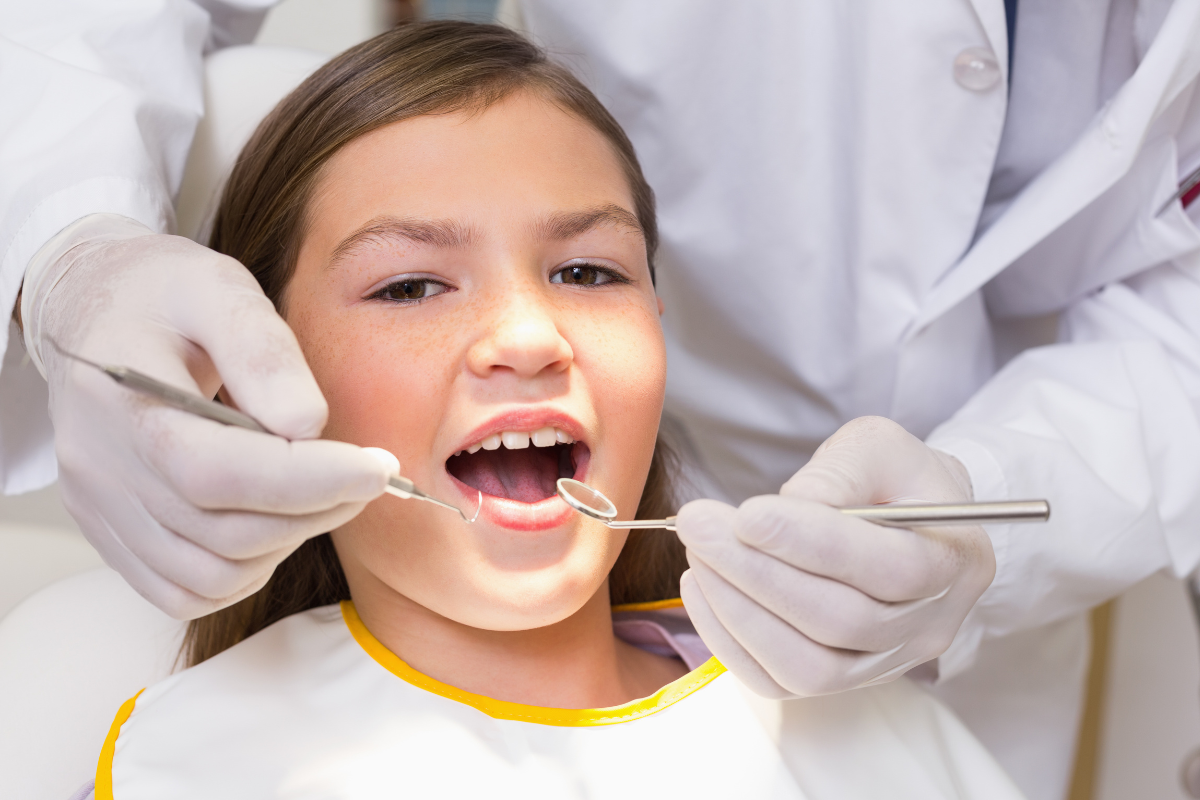
When a dentist recommends a crown for a child’s baby tooth, parents often have the same question: Why restore a tooth that will eventually fall out? It is a reasonable concern, especially when a child seems comfortable, and the damaged tooth does not appear to cause much trouble.
Baby teeth play an important role in chewing, speaking, and guiding permanent teeth into position. When decay or damage weakens a tooth too much for a regular filling, a dental crown may help protect the remaining tooth structure and maintain its function until the tooth is ready to fall out naturally.
Understanding why a crown may be recommended can help parents feel more prepared to discuss their child’s treatment options. The right approach depends on the tooth’s condition, the child’s age, and how much time the tooth is expected to remain in the mouth.
For families looking for a pediatric dentist in Oxford, understanding the reasons behind restorative treatment is an important step toward making informed decisions about a child’s oral health.
What Is a Dental Crown for a Baby Tooth?
A dental crown is a protective covering placed over a damaged or weakened tooth. Unlike a filling, which repairs a specific area, a crown covers most or all of the visible portion of the tooth above the gumline.
In pediatric dentistry, crowns are commonly considered when a baby tooth has extensive decay, a large area of damage, or insufficient healthy tooth structure to support a filling reliably.
Baby teeth may be temporary, but they serve important purposes while a child grows. They help children chew comfortably, support normal speech development, and maintain space for permanent teeth that have not yet erupted.
A baby tooth that is lost too early may contribute to space-related problems, depending on which tooth is affected and the child’s stage of dental development. Preserving a tooth when appropriate can help maintain its function until natural tooth loss occurs.
A crown is not necessary for every cavity or damaged baby tooth. A dentist evaluates the extent of the problem and considers whether a filling, another conservative treatment, a crown, or extraction is the most appropriate option.
5 Reasons a Child Might Need a Dental Crown
1. The Cavity Is Too Large for a Regular Filling
One of the most common reasons for placing a dental crown on a baby tooth is extensive tooth decay.
Small cavities may be treated with fillings that restore the affected area. However, when decay damages a large portion of the tooth, there may not be enough healthy structure left to support a filling adequately.
In these situations, a crown can cover and protect the remaining tooth, helping restore its shape and chewing function.
A dentist may recommend a pediatric dental crown when:
- Decay affects several surfaces of the same tooth.
- A large cavity leaves the tooth weakened.
- The remaining tooth structure is unlikely to support a filling successfully.
- The tooth needs more comprehensive protection following decay treatment.
The recommendation depends on the clinical examination, the tooth’s location, and the extent of the damage. Treating the problem before it progresses may also help reduce the risk of pain or infection.
2. The Tooth Has Been Damaged by an Injury
Children are active, and falls, playground accidents, and sports injuries can damage their teeth. A baby tooth may become chipped, cracked, or weakened after an impact.
Not every chipped tooth needs a crown. Minor damage may require a different approach, while a more extensively damaged tooth may need additional protection.
A dentist will assess the extent of the injury and check whether the tooth’s inner pulp tissue has been affected. Depending on the findings, treatment may involve smoothing a small chip, restoring the tooth, placing a crown, or considering another option.
Parents should arrange an evaluation if a child has a damaged baby tooth, particularly if there is pain, swelling, bleeding, or a change in the tooth’s position. Significant dental injuries should be assessed promptly.
3. The Tooth Needs Protection After Pulp Treatment
When decay or injury reaches the pulp, the soft tissue inside the tooth, a simple filling may not be enough to address the problem.
Depending on the diagnosis, a child may need pulp therapy. One procedure used for certain baby teeth is a pulpotomy, which removes affected pulp tissue from the crown portion of the tooth while preserving healthy tissue in the roots.
After pulp treatment, a crown may be recommended to protect the remaining tooth structure and restore chewing function.
This is particularly relevant for baby molars, which help children chew food and may need to remain functional for years before they fall out naturally.
The choice of restoration depends on the amount of remaining tooth structure, the procedure performed, the tooth’s expected lifespan, and the child’s individual needs.
4. The Tooth Is Weak Because of a Developmental Defect
Some children develop teeth with enamel defects or other structural weaknesses. These conditions may make the affected teeth more vulnerable to wear, breakdown, or decay.
For example, enamel hypoplasia involves incomplete development of the enamel, the hard outer layer of a tooth. Other developmental conditions may affect enamel quality or strength.
When a baby tooth has a significant structural defect, a dentist may consider a crown if the tooth needs broader protection than a filling can provide.
Treatment is individualized. The dentist will evaluate the severity of the defect, the tooth’s location, the child’s oral hygiene, and whether the tooth can be maintained with a less extensive restoration.
5. The Tooth Needs More Durable, Full-Coverage Protection
Some baby teeth have extensive damage that makes repeated repairs less predictable. A crown may offer a more suitable way to cover the remaining tooth structure.
Stainless steel crowns are widely used for restoring primary molars with extensive decay. Pediatric restorative guidance from the American Academy of Pediatric Dentistry recognizes crowns as an important option in selected cases, including teeth with substantial damage and teeth that have undergone certain pulp treatments.
A crown may be particularly useful when a tooth needs to withstand regular chewing forces and remain functional until it is ready to fall out.
However, a dentist should not recommend full-coverage treatment automatically. The benefits, alternatives, and expected lifespan of the tooth should all be considered.
What Types of Dental Crowns Are Used on Baby Teeth?
The type of crown recommended depends on the tooth’s location, the extent of the damage, functional needs, and appearance preferences.
Stainless Steel Crowns
Stainless steel crowns are metal crowns frequently used on baby molars.
Their main advantages include durability and full coverage of a damaged tooth. They are often considered when a back tooth has extensive decay or needs protection following pulp treatment.
Because they are metallic in appearance, they may be more noticeable than tooth-colored options. However, they can be a practical choice when strength and reliable coverage are important.
Tooth-Colored Crowns
Tooth-colored crowns are designed to blend more closely with the appearance of natural teeth.
Depending on the tooth and the restoration selected, options may include resin-based or other esthetic crown materials. These restorations may be considered when appearance is an important factor, particularly for teeth that are visible when a child smiles.
Tooth-colored crowns are not suitable for every situation. Material choice depends on the child’s clinical needs, the location of the tooth, and the restoration’s expected performance.
How Does the Dentist Choose?
There is no single crown type that is best for every child. During the evaluation, the dentist considers:
- The amount of healthy tooth structure remaining.
- The extent of decay or injury.
- Whether pulp treatment is needed or has already been completed.
- The child’s age and the tooth’s expected time in the mouth.
- The location of the tooth and the importance of appearance.
- The child’s ability to tolerate treatment and maintain oral hygiene.
Parents can ask the dentist to explain the advantages and limitations of each suitable option before making a decision.
Does Every Damaged Baby Tooth Need a Crown?
No. The recommended treatment depends on the extent of damage and whether the tooth can be restored predictably with a less extensive approach.
For example, a small cavity may be treated with a filling. Some early lesions may be managed with preventive or minimally invasive approaches when clinically appropriate. A more extensively damaged tooth may need a crown, while a tooth that cannot be restored or has other significant problems may require extraction.
The American Academy of Pediatric Dentistry emphasizes individualized treatment decisions in pediatric restorative dentistry. Not every area of decay requires the same procedure, and restoring a tooth does not eliminate the need to manage the underlying risk of tooth decay.
A dentist may examine the tooth, review dental X-rays when indicated, assess the child’s symptoms, and consider the expected timing of natural tooth loss.
Parents should not assume that a baby tooth can be left untreated simply because it is temporary. Untreated decay can progress and may cause pain, infection, or damage that makes treatment more complicated.
What Happens During a Dental Crown Procedure for a Child?
The exact process depends on the type of crown, the condition of the tooth, and the child’s needs. In general, treatment may involve the following steps.
1. Examination and Treatment Planning
The dentist examines the affected tooth and surrounding tissues. X-rays may be recommended when needed to assess decay, the roots, or other structures that cannot be evaluated fully during a visual examination.
The dentist then explains the diagnosis and discusses appropriate treatment options with the parent.
2. Preparing the Tooth
If a crown is appropriate, the dentist prepares the tooth so the restoration can fit securely. Decay or weakened tooth structure may need to be addressed first.
If the pulp is affected, additional treatment may be required before the crown is placed.
3. Placing the Crown
The crown is fitted over the prepared tooth and secured according to the selected material and technique.
The dentist checks the fit and bite to ensure the restoration functions appropriately. The process varies depending on the crown type and the child’s treatment plan.
4. Aftercare and Follow-Up
The dental team provides instructions for caring for the treated tooth and explains what to expect afterward. Follow-up visits help monitor the restoration and the child’s overall oral health.
Children should continue receiving routine dental checkups even when a crown appears to be functioning well.
How Should Parents Care for a Child’s Dental Crown?
A crowned baby tooth still needs regular cleaning and professional monitoring. The crown protects the tooth, but it does not remove the need for good oral hygiene or reduce every future risk of decay.
Parents can help by:
- Brushing twice daily: Use an age-appropriate amount of fluoride toothpaste and help young children brush effectively.
- Cleaning between teeth: Floss or use an appropriate interdental cleaning method where teeth touch.
- Limiting frequent sugary snacks and drinks: Frequent exposure to sugars can increase the risk of tooth decay.
- Keeping regular dental appointments: Checkups allow the dentist to monitor the crown, surrounding gums, and other teeth.
- Following personalized instructions: Ask the dental team whether any additional precautions are needed after treatment.
Contact the dentist if the child develops persistent pain, swelling, a loose or displaced crown, or difficulty chewing. Facial swelling accompanied by fever or difficulty swallowing or breathing requires urgent medical attention.
Why Baby Teeth Matter Even Though They Eventually Fall Out
Baby teeth are essential to a child’s oral development. They help children chew, support speech, and contribute to the development of the dental arches.
Primary teeth also help maintain space for permanent teeth. When a baby tooth is lost prematurely, neighboring teeth may shift, potentially affecting the space available for a permanent tooth. Whether additional treatment is needed depends on the tooth involved, the child’s development, and other clinical factors.
Preserving a damaged baby tooth can therefore be valuable when the tooth is restorable and keeping it is in the child’s best interest.
At the same time, saving every baby tooth is not always the right choice. A dentist must weigh the potential benefits of restoration against the condition of the tooth, the risks of continued infection, and the likely outcome of treatment.
The goal is to choose an approach that supports the child’s comfort, function, and long-term oral health.
Frequently Asked Questions
1. Why would a baby tooth need a crown instead of a filling?
A crown may be recommended when a baby tooth has extensive decay, significant damage, or too little healthy structure to support a filling reliably. The dentist evaluates the tooth and recommends the most appropriate treatment.
2. Are dental crowns on baby teeth permanent?
A crown on a baby tooth is intended to protect the tooth while it remains in the mouth. When the baby tooth falls out naturally, the crown generally comes out with it. The timing depends on the child’s normal tooth development.
3. Are stainless steel crowns safe for children?
Stainless steel crowns are an established restorative option in pediatric dentistry. They are commonly used for baby molars that need extensive coverage. The dentist will consider the child’s clinical needs and any relevant material sensitivities when selecting a restoration.
4. Does getting a crown on a baby tooth hurt?
The procedure is performed using appropriate pain-management techniques. A child may experience some temporary soreness or sensitivity afterward, depending on the treatment. Parents should follow the dental team’s aftercare instructions and contact the office if discomfort persists or worsens.
5. Can a baby tooth with a cavity be left untreated if it is going to fall out soon?
Not necessarily. Untreated decay can progress and may lead to pain or infection. A dentist considers the severity of the cavity, the tooth’s expected lifespan, and the available treatment options before recommending whether the tooth should be restored or removed.
Help Protect Your Child’s Growing Smile
A dental crown may be recommended when a baby tooth is too damaged or weakened for a regular filling to provide suitable protection. Although baby teeth are temporary, preserving their function can support comfortable chewing, normal development, and the space needed for permanent teeth.
The best treatment depends on the individual child. An examination helps determine whether a filling, crown, another conservative treatment, or extraction is the most appropriate option.
At Oxford Dental in Oxford, MS, we understand that parents want clear explanations and thoughtful care for their children’s developing smiles. Our team can help you understand your child’s dental needs, discuss appropriate treatment options, and answer your questions about maintaining healthy teeth.
If your child has a cavity, a damaged baby tooth, or discomfort when chewing, contact Oxford Dental to schedule an evaluation and discuss the next steps for protecting their smile.
Recent Posts
See All